
Skip to content

MS (Multiple Sclerosis)

Multiple Sclerosis (MS) is a chronic autoimmune disease that affects the central nervous system. The disease involves the body's own immune system attacking myelin, the protective sheath surrounding the nerve fibers in the brain and spinal cord.

MRI Brain

MRI Brain

Magnetic resonance imaging

6 795 kr

10% discount on testmottagningen.se with the code: PÅSK2026 Health checks for increased well-being


Quick version

What is MS?

Multiple Sclerosis (MS) is a chronic disease affecting the central nervous system, specifically the brain and spinal cord. In MS, the body's own immune system attacks the protective sheath surrounding the nerve fibers, called myelin. When the myelin is damaged, inflammation occurs, disrupting nerve signals between the brain and the rest of the body. MS can affect many different functions and often appears in:

  • The brain
  • The optic nerves
  • The spinal cord

Common symptoms of MS

Symptoms of MS vary greatly between individuals because they depend on where in the nervous system the inflammation is located. Symptoms often occur in periods, known as relapses (or flares). Here are common signs:

Early and common symptoms

  • Visual disturbances: Blurred vision, pain during eye movement, or double vision (often in one eye at a time).
  • Sensory disturbances: Numbness, tingling, or a "pins and needles" sensation in the arms, legs, or face.
  • Weakness: Muscle weakness that may cause you to drop things or walk unsteadily.
  • Extreme tiredness (fatigue): An overwhelming exhaustion that cannot be rested away.

Symptoms when the spinal cord and nerve pathways are affected

  • Balance problems: Dizziness and difficulty coordinating movements.
  • Stiffness (spasticity): Muscle tension that can be painful.
  • Bladder and bowel problems: Difficulty emptying the bladder or sudden urges to go to the toilet.
  • Cognitive changes: Difficulties with memory, concentration, and planning daily life.

Why do people get MS?

The exact cause of MS is not yet fully known, but research points to a combination of several factors:

  • Autoimmunity: The immune system mistakes the body's own tissue for foreign substances and attacks it.
  • Heredity: There is a certain genetic predisposition, although the risk of children of MS patients developing the disease is low.
  • Environmental factors: Lack of sunlight and low levels of vitamin D are linked to a higher risk; smoking and certain previous viral infections, such as glandular fever (mononucleosis), are also thought to increase the risk.
  • Age and gender: MS usually debuts between the ages of 20 and 40 and is more common in women than in men.

When should you seek medical care?

Contact healthcare services if:

  • In the event of sudden neurological loss (e.g., vision loss or numbness), you should seek emergency care immediately.
  • You have recurring periods of extreme fatigue and weakness without a clear cause.
  • You experience that your balance or coordination has significantly deteriorated.

How to find out if you have MS

Diagnosing MS requires a thorough investigation by a neurologist. This includes a clinical examination of reflexes, sensation, and strength, and often a spinal fluid test (lumbar puncture).

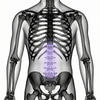
The most important method for confirming MS is an MRI scan (magnetic resonance imaging) of the brain and spinal cord . With MRI, one can see the typical changes, known as plaques or lesions, that occur when the myelin is damaged. An MRI is crucial both for making the initial diagnosis and for following up on disease activity and seeing how well a treatment is working.

Questions and answers

Common early symptoms include visual disturbances (such as blurred vision or pain during eye movement), sensory changes like numbness or tingling, and muscle weakness.

A neurologist diagnoses MS through clinical exams, spinal fluid analysis, and most importantly, an MRI scan of the brain and spinal cord to detect plaques or lesions.

Fatigue in MS is an overwhelming sense of exhaustion that cannot be resolved by simple rest, often acting as one of the most debilitating symptoms of the condition.

Related tests and health checks


MRI Brain

MRI Brain

Magnetic resonance imaging
Information

Medical comment included

With us, you will always receive a doctor’s opinion from a licensed physician when you order a medical check-up that includes a medical opinion. The doctor’s opinion includes an overall assessment of your results from laboratory analysis. The opinion is individual and may vary depending on the specific tests your medical check-up includes.

What can I expect in the medical report?

The medical opinion will summarize the results of your test results to give you an assessment of your health including any abnormalities outside the reference ranges. In case of abnormalities or need, your doctor may also contact you for a free conversation to explain and talk about your results. Remember that a health check always includes specific test results based on your health and your personal circumstances. Values outside the reference range should therefore always be discussed with a doctor before any decisions regarding possible treatment are made.

What does the doctor look at during a health check?

When assessing a blood test or health check, your doctor will look at several different parameters to evaluate your health and identify any abnormalities. Below are some common aspects your doctor may examine:

Blood counts: Your doctor will check red, white and platelet counts to identify any signs of anaemia, infection or bleeding.

Nutrients and biochemical markers: Includes, for example, analysis and monitoring of blood sugar (glucose) levels, electrolyte levels (e.g. sodium, potassium), liver function tests (e.g. liver enzymes), kidney function tests (e.g. creatinine, urea) and lipid profile (e.g. cholesterol, triglycerides). The results of the tests give your doctor a better idea of your organ function, blood sugar level, cholesterol conditions and other important health aspects.

Inflammatory markers: Your doctor may measure health markers such as C-reactive protein (CRP) or red blood cell decrease rate (SR) to evaluate inflammatory conditions or confirm an active infection.

Hormone levels: Your doctor may monitor your hormone levels to assess hormonal imbalances or diseases, such as thyroid hormones (TSH, T3, T4), sex hormones or other specific hormones such as testosterone levels.

Specific tests: Depending on your goal of your health check or medical history, your doctor may look into specific tests to investigate conditions or diseases, such as diabetes, vitamin deficiency or autoimmune diseases.

In conclusion, the doctor weighs all test results based on the health check to assess your overall health, detect any abnormalities and identify possible underlying medical conditions.

What happens if I have abnormal test results?

If your blood count is abnormal, this will be addressed in your personal medical opinion. Depending on the nature and extent of the abnormality, your doctor may also contact you directly through the test result service for further guidance. Various measures and advice will be provided based on the specific abnormalities observed along with your medical history.

Call included

Call included, one of our doctors will contact you.
  • MRI brain – with contrast if needed.
  • For headaches, dizziness, memory problems or neurological symptoms.
  • Painless and radiation-free – even in acute conditions.
  • Referral and specialist opinion included.

6 795 kr


MRI Lumbar spine

MRI Lumbar spine

MRI of the lumbar spine
Information

Medical comment included

With us, you will always receive a doctor’s opinion from a licensed physician when you order a medical check-up that includes a medical opinion. The doctor’s opinion includes an overall assessment of your results from laboratory analysis. The opinion is individual and may vary depending on the specific tests your medical check-up includes.

What can I expect in the medical report?

The medical opinion will summarize the results of your test results to give you an assessment of your health including any abnormalities outside the reference ranges. In case of abnormalities or need, your doctor may also contact you for a free conversation to explain and talk about your results. Remember that a health check always includes specific test results based on your health and your personal circumstances. Values outside the reference range should therefore always be discussed with a doctor before any decisions regarding possible treatment are made.

What does the doctor look at during a health check?

When assessing a blood test or health check, your doctor will look at several different parameters to evaluate your health and identify any abnormalities. Below are some common aspects your doctor may examine:

Blood counts: Your doctor will check red, white and platelet counts to identify any signs of anaemia, infection or bleeding.

Nutrients and biochemical markers: Includes, for example, analysis and monitoring of blood sugar (glucose) levels, electrolyte levels (e.g. sodium, potassium), liver function tests (e.g. liver enzymes), kidney function tests (e.g. creatinine, urea) and lipid profile (e.g. cholesterol, triglycerides). The results of the tests give your doctor a better idea of your organ function, blood sugar level, cholesterol conditions and other important health aspects.

Inflammatory markers: Your doctor may measure health markers such as C-reactive protein (CRP) or red blood cell decrease rate (SR) to evaluate inflammatory conditions or confirm an active infection.

Hormone levels: Your doctor may monitor your hormone levels to assess hormonal imbalances or diseases, such as thyroid hormones (TSH, T3, T4), sex hormones or other specific hormones such as testosterone levels.

Specific tests: Depending on your goal of your health check or medical history, your doctor may look into specific tests to investigate conditions or diseases, such as diabetes, vitamin deficiency or autoimmune diseases.

In conclusion, the doctor weighs all test results based on the health check to assess your overall health, detect any abnormalities and identify possible underlying medical conditions.

What happens if I have abnormal test results?

If your blood count is abnormal, this will be addressed in your personal medical opinion. Depending on the nature and extent of the abnormality, your doctor may also contact you directly through the test result service for further guidance. Various measures and advice will be provided based on the specific abnormalities observed along with your medical history.

Call included

Call included, one of our doctors will contact you.
  • MRI of the lumbar spine shows vertebrae, discs, nerves and facet joints in detail.
  • Recommended for back pain, sciatica or nerve damage.
  • MRI provides sharp images – completely without radiation.
  • Referral and specialist opinion included.

5 995 kr

Other symptoms

Cart

The basket is empty.

Hos oss får du tillgång till Sveriges bredaste utbud av blodprov, hälsokontroller och MR – med läkare som alltid granskar dina provsvar.

Select tests


Sampling fee
Total
Sampling fee?

The sample collection fee is a fixed cost that refers to the visit to the clinic where you submit your sample. The fee is not affected by how many tests you have ordered, but varies depending on the order value:

Free sampling fee

For purchases over 1 000 SEK, the sampling fee is included.