
Potassium test – blood test for P-Potassium analysis
This blood test analyzes the level of potassium in the blood (P-Potassium), a vital electrolyte necessary for normal bodily function. Potassium plays a central role in regulating heart rhythm, nerve signal transmission, and muscle function. It also helps regulate blood pressure and the body's fluid balance.
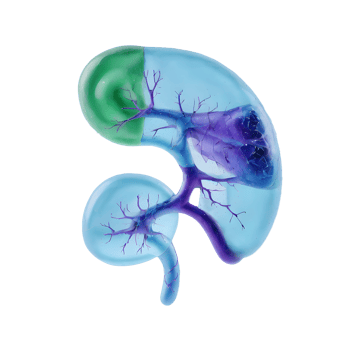
The kidneys are responsible for regulating the amount of potassium in the blood. Impaired kidney function, certain medical conditions, or medication use can cause potassium levels to become too high or too low. Both conditions can affect the heart's electrical activity and, in severe cases, cause life-threatening heart rhythm disturbances. A potassium test allows you to check your potassium level and detect any abnormalities that may require further investigation.
What is a normal potassium level?
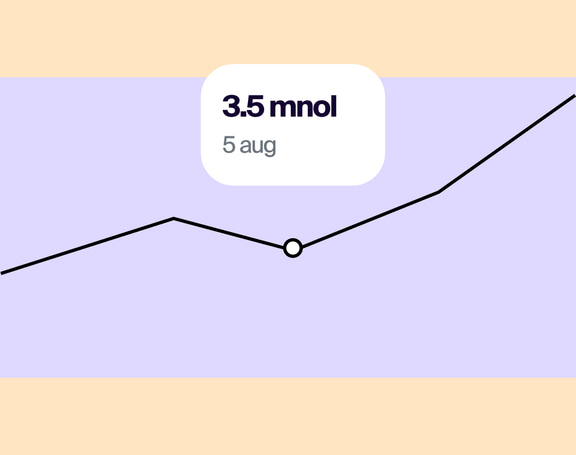
The reference range for plasma potassium (P-Potassium) in adults is typically around 3.5–4.6 mmol/L, though the range may vary between laboratories and analysis methods.
- Below 3.5 mmol/L: May indicate low potassium (hypokalemia).
- Approximately 3.5–4.6 mmol/L: Common reference range for adults.
- Above 4.6 mmol/L: May exceed the laboratory's reference range and requires assessment based on the specific value and other circumstances.
It is important to always refer to the reference range specified in your test results.
A value outside the reference range does not automatically mean you have a medical condition.High potassium – what are the risks?
High blood potassium is known as hyperkalemia and can occur when the kidneys are unable to excrete sufficient amounts of potassium. The condition can also be caused by certain medications or diseases that affect the body's potassium balance. Elevated potassium levels can interfere with the heart's electrical signals and cause heart rhythm disturbances. Severely elevated levels can be life-threatening and, in the worst-case scenario, lead to cardiac arrest.
High potassium does not always cause clear symptoms, but possible signs include:
- Muscle weakness and fatigue.
- Tingling or numbness.
- Nausea.
- Heart palpitations or irregular heart rhythm.
The risk depends on factors such as how high the potassium level is, how rapidly it has risen, and whether there is underlying heart or kidney disease. A severely elevated potassium level requires urgent medical assessment, even if you are not experiencing any symptoms.
Low potassium – symptoms and causes
Low blood potassium is known as hypokalemia and means the body has too little potassium for muscles, nerves, and the heart to function normally. Common causes include prolonged vomiting, diarrhea, and treatment with certain diuretic medications. Hormonal imbalances can also affect potassium levels.
Symptoms of low potassium may include:
- Fatigue and muscle weakness.
- Muscle cramps.
- Constipation.
- Heart palpitations or irregular heart rhythm.
Severe potassium deficiency can lead to serious heart rhythm disturbances and muscle function disorders.
When should you check your potassium levels?
A blood test for potassium may be appropriate if you wish to examine your electrolyte balance or if there is a suspicion that kidney function, illness, or medication is affecting potassium levels. Here are some common reasons for checking potassium levels:
- Kidney disease: The kidneys regulate potassium balance, and impaired kidney function can lead to elevated potassium levels.
- Cardiovascular disease: Abnormal potassium levels can affect heart rhythm and are particularly important to monitor in cases of heart disease.
- High blood pressure: Potassium is important for blood pressure regulation, and certain blood pressure medications affect potassium levels.
- Medication: Drugs such as ACE inhibitors, angiotensin receptor blockers, and certain diuretics can alter potassium balance.
- Potassium deficiency: Prolonged vomiting, diarrhea, or other fluid losses can cause low potassium levels.
- Muscle weakness or heart palpitations: These symptoms can sometimes be linked to disturbances in the body's electrolyte balance.
What can affect the results of a potassium test?
Potassium levels can be influenced by kidney function, medications, fluid balance, and various medical conditions. The sample collection process itself can also affect the analysis results.
If red blood cells are damaged during sample collection—a process known as hemolysis—potassium can leak out of the cells, resulting in a falsely elevated reading. Consequently, if an unexpectedly high potassium level is detected, a repeat blood sample may be required to verify the result. However, any level suspected to be dangerously high must be evaluated promptly. Potassium is often analyzed alongside creatinine and eGFR to provide a more comprehensive picture of kidney function.