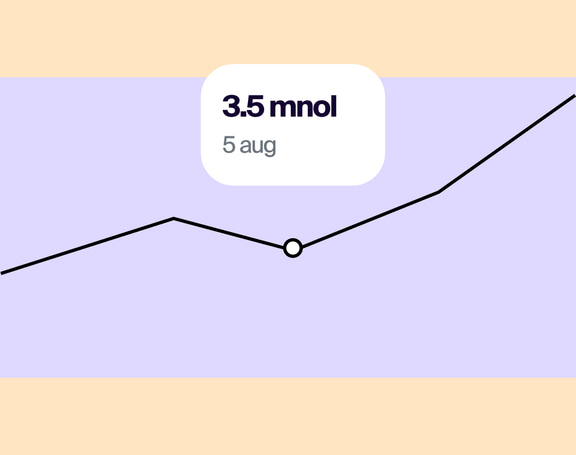

Homocysteine is an amino acid (building block of protein) that is formed in the body during metabolism. When we eat food, it is converted into energy, during the conversion homocysteine is created. For this process to work, the body depends on sufficient amounts of both B vitamins and enzymes.
Homocysteine is therefore a natural part of the body's metabolism, but if the levels of homocysteine in the blood become elevated, it may indicate problems with the body's ability to convert and break down this amino acid. High levels of homocysteine are also associated with an increased risk of cardiovascular diseases, such as atherosclerosis, stroke and heart attack. This is because an excessively high concentration of homocysteine in the blood can damage the walls of the blood vessels, which in turn can lead to inflammation and the buildup of plaque in the arteries.
In regulating homocysteine levels in the body, B vitamins play a crucial role. In particular, B12, B6 and folic acid (B9) are all necessary to convert homocysteine into other harmless substances. If the body is deficient in any of these vitamins, homocysteine can accumulate and lead to elevated levels. Therefore, a homocysteine test can be an important diagnostic tool for detecting vitamin deficiencies - mainly B12 and folate deficiencies.
This test analyzes your homocysteine level in the body. An elevated homocysteine level is not considered serious and usually does not cause any serious problems, but it can be an indication of impaired kidney function. Homocysteine levels can be elevated due to other factors such as certain medications, various diseases or if you are deficient in vitamin B12, vitamin B6 or folate. By measuring the homocysteine level, you can detect a possible deficiency of vitamins B6, B12 and folate, as homocysteine levels rise even before the levels of vitamins B6, B12 and folate fall.
The homocysteine blood test is not only used to assess the risk of cardiovascular disease, but also to monitor patients with diagnosed conditions that affect vitamin status, such as malabsorption or genetic mutations (MTHFR gene mutation) that can interfere with the body's ability to process folic acid. The blood test may also be relevant in the investigation of dementia or cognitive disorders, as high homocysteine levels have been shown to be linked to impaired cognitive function.
What can elevated homocysteine levels indicate?
If your homocysteine levels are elevated, treatment may include B-vitamin supplements and lifestyle changes to reduce the risk of cardiovascular complications. Eating a balanced diet rich in foods containing B vitamins—such as leafy green vegetables, meat, fish, and dairy products—can also help keep homocysteine levels within the normal range.
Reference ranges for homocysteine
Normal blood homocysteine levels vary slightly between laboratories, but generally, the following applies:
- < 10–12 µmol/L: Normal level.
- 12–30 µmol/L: Mildly to moderately elevated level; may indicate a vitamin deficiency or the influence of lifestyle factors.
- > 30 µmol/L: Markedly elevated level, often associated with a deficiency in vitamin B12 or folate, or impaired kidney function.
Causes of elevated homocysteine levels
- Deficiency in vitamin B6, B12, or folate – the most common cause.
- Impaired kidney function – reduces the body's ability to eliminate homocysteine.
- Genetic mutations – particularly in the MTHFR gene, which impairs the conversion of folate into its active form.
- Medications – for example, methotrexate, antiepileptics, oral contraceptives, or nicotinic acid can raise levels.
- Lifestyle factors – smoking, alcohol, high coffee consumption, and a sedentary lifestyle can contribute to increased levels.
- Age and gender – levels often rise with age and are generally slightly higher in men.
Homocysteine and pregnancy
In pregnant women, elevated homocysteine is associated with an increased risk of complications such as preeclampsia, miscarriage, and neural tube defects in the fetus. Therefore, it is important to have adequate folate levels even before pregnancy, as this helps keep homocysteine levels low.
Homocysteine and the nervous system
High homocysteine levels can negatively affect the nervous system by contributing to oxidative stress and damage to nerve cells. This can be linked to impaired cognitive function, depression, and an increased risk of dementia, such as Alzheimer’s disease. In cases of prolonged vitamin B12 deficiency, elevated homocysteine levels can serve as an early indicator before distinct neurological symptoms appear.
When should homocysteine be tested?
Ideally, the sample should be taken while fasting (8–12 hours without food). Testing should be avoided during acute illness or after strenuous physical exertion, as these factors can temporarily affect levels. A homocysteine test is particularly useful for:
- Investigating suspected vitamin B12 or folate deficiency.
- Assessing cardiovascular risk, especially in cases of family history.
- Monitoring individuals with cognitive impairment or neurological symptoms.
- Pregnancy-related evaluations or preconception planning.