
Skip to content

Myelitis (Spinal Cord Inflammation)

Myelitis (Spinal Cord Inflammation)

A rare but serious condition that can cause sudden weakness, paralysis, pain, and loss of sensation—often on both sides of the body—is due to an inflammation of the spinal cord known as myelitis.

Quick version

What is Myelitis?

Myelitis is a collective term for inflammation of the spinal cord. The spinal cord is the large "nerve cable" that runs inside the spinal column and conveys signals between the brain and the rest of the body. When the spinal cord becomes inflamed, the protective coating (myelin) around the nerve fibers is damaged, which disrupts signal transmission. The term Transverse Myelitis is often used when the inflammation extends across the entire width of the spinal cord at a certain level. Depending on where the inflammation is located, different parts of the body below the injury are affected:

  • Cervical spine: Can affect both arms and legs (tetraplegia/quadriplegia).
  • Thoracic spine: Affects the legs and trunk (paraplegia).
  • Lumbar spine: Affects the legs and pelvic organs.

Common Symptoms of Myelitis

Symptoms of myelitis can develop very rapidly, from a few hours to a few days. They vary depending on the location and extent of the inflammation. Here are common signs:

Sensation and Pain

  • Pain: Often the first symptom, localized to the back or as a radiating pain around the chest or abdomen (like a "belt").
  • Sensory loss: A clear boundary on the body below which the sensation of touch, pain, and temperature is reduced or completely absent.
  • Paresthesia: Tingling, numbness, burning sensations, or a feeling that the skin is "tight." These sensory changes often appear below a clearly defined level on the body (a so-called sensory level).

Motor Function and Mobility

  • Weakness: A rapidly increasing loss of strength in the legs (and sometimes arms) that can lead to paralysis.
  • Bladder and bowel problems: Difficulty urinating, urinary incontinence, or constipation/fecal incontinence.
  • Muscle spasms: Involuntary twitching or stiffness in the muscles below the inflamed level.

Why do people get Myelitis?

The causes of myelitis can be many, and sometimes an exact cause cannot be determined (idiopathic myelitis):

  • Infections: Viruses (e.g., enterovirus, herpes virus, West Nile virus) or bacteria can either directly infect the spinal cord or trigger an immune reaction.
  • Autoimmune diseases: The immune system mistakenly attacks the spinal cord. Myelitis can be a part of other diseases such as MS (multiple sclerosis) , Neuromyelitis optica (NMO), or systemic lupus erythematosus (SLE) .
  • Vaccinations: In very rare cases, a vaccination can trigger an abnormal immune reaction leading to myelitis.

When should you seek care?

Seek emergency medical care if:

  • You experience rapidly increasing weakness or paralysis in your arms or legs.
  • You suddenly lose sensation in a part of your body.
  • You have problems controlling urine or stool.
  • You experience a sharp, belt-like pain around your torso.

How to find out if you have Myelitis

If myelitis is suspected, an immediate investigation by a neurologist is required. This includes a thorough neurological examination of strength, reflexes, and sensation. Often, a spinal fluid test (lumbar puncture) is also performed to look for signs of inflammation and infection.

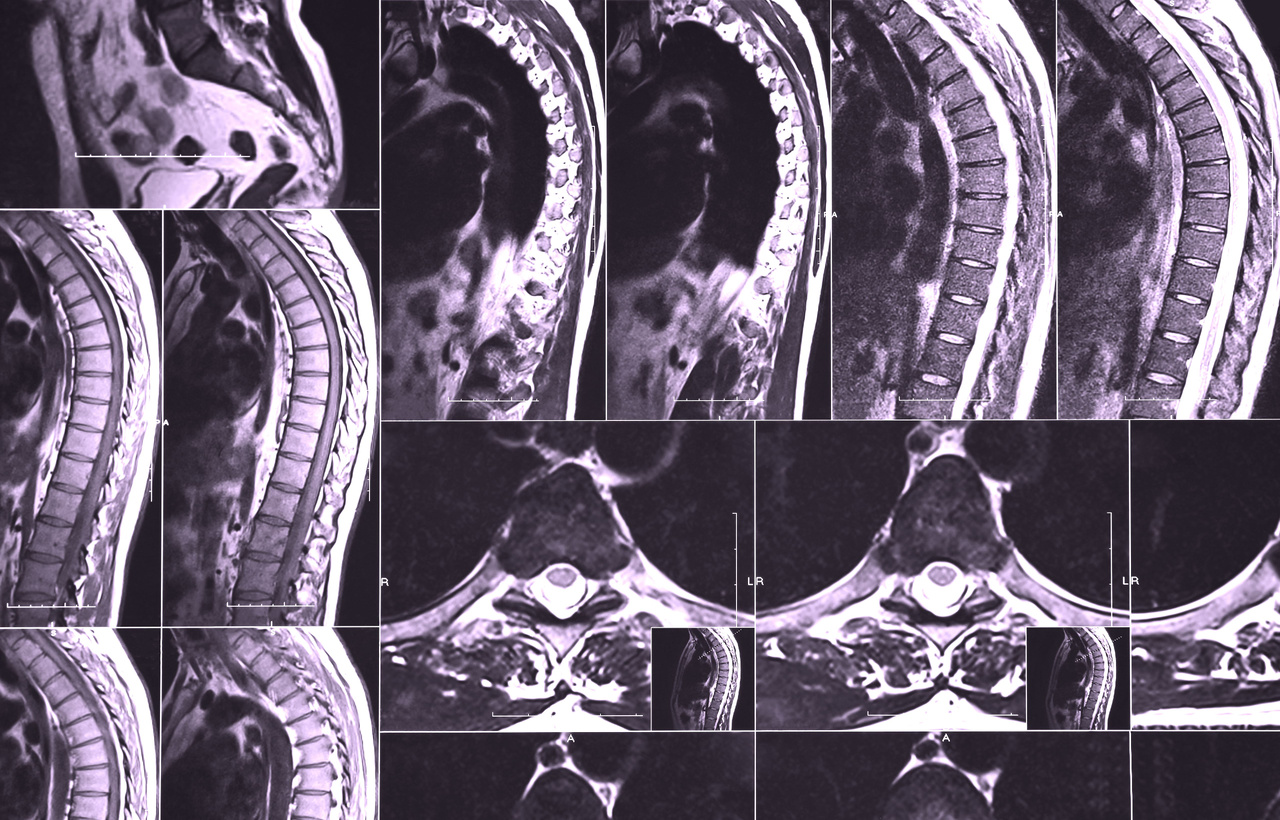
The most important diagnostic method is an MRI (magnetic resonance imaging) of the spinal cord . With MRI, the inflammation inside the spinal cord can be clearly seen, its extent and level assessed, and other causes of the symptoms, such as herniated discs or tumors pressing on the spinal cord, can be ruled out. This is critical for quickly initiating the correct treatment (often high doses of cortisone) and limiting permanent nerve damage.
Questions and answers

Pain is often the first symptom, typically localized in the back or felt as a radiating "band-like" pain around the chest or abdomen, followed by rapidly progressing weakness or numbness in the limbs.

Because the inflammation can lead to permanent nerve damage or paralysis within hours or days, immediate treatment (such as high-dose corticosteroids) is critical to suppress the immune response and preserve function.

Myelitis is a general term for inflammation of the spinal cord. Transverse myelitis specifically refers to cases where the inflammation extends across the entire width of the spinal cord at a particular level.

Related tests and health checks


MRI Lumbar spine

MRI Lumbar spine

MRI of the lumbar spine
Information

Medical comment included

With us, you will always receive a doctor’s opinion from a licensed physician when you order a medical check-up that includes a medical opinion. The doctor’s opinion includes an overall assessment of your results from laboratory analysis. The opinion is individual and may vary depending on the specific tests your medical check-up includes.

What can I expect in the medical report?

The medical opinion will summarize the results of your test results to give you an assessment of your health including any abnormalities outside the reference ranges. In case of abnormalities or need, your doctor may also contact you for a free conversation to explain and talk about your results. Remember that a health check always includes specific test results based on your health and your personal circumstances. Values outside the reference range should therefore always be discussed with a doctor before any decisions regarding possible treatment are made.

What does the doctor look at during a health check?

When assessing a blood test or health check, your doctor will look at several different parameters to evaluate your health and identify any abnormalities. Below are some common aspects your doctor may examine:

Blood counts: Your doctor will check red, white and platelet counts to identify any signs of anaemia, infection or bleeding.

Nutrients and biochemical markers: Includes, for example, analysis and monitoring of blood sugar (glucose) levels, electrolyte levels (e.g. sodium, potassium), liver function tests (e.g. liver enzymes), kidney function tests (e.g. creatinine, urea) and lipid profile (e.g. cholesterol, triglycerides). The results of the tests give your doctor a better idea of your organ function, blood sugar level, cholesterol conditions and other important health aspects.

Inflammatory markers: Your doctor may measure health markers such as C-reactive protein (CRP) or red blood cell decrease rate (SR) to evaluate inflammatory conditions or confirm an active infection.

Hormone levels: Your doctor may monitor your hormone levels to assess hormonal imbalances or diseases, such as thyroid hormones (TSH, T3, T4), sex hormones or other specific hormones such as testosterone levels.

Specific tests: Depending on your goal of your health check or medical history, your doctor may look into specific tests to investigate conditions or diseases, such as diabetes, vitamin deficiency or autoimmune diseases.

In conclusion, the doctor weighs all test results based on the health check to assess your overall health, detect any abnormalities and identify possible underlying medical conditions.

What happens if I have abnormal test results?

If your blood count is abnormal, this will be addressed in your personal medical opinion. Depending on the nature and extent of the abnormality, your doctor may also contact you directly through the test result service for further guidance. Various measures and advice will be provided based on the specific abnormalities observed along with your medical history.

Call included

Call included, one of our doctors will contact you.
  • MRI of the lumbar spine shows vertebrae, discs, nerves and facet joints in detail.
  • Recommended for back pain, sciatica or nerve damage.
  • MRI provides sharp images – completely without radiation.
  • Referral and specialist opinion included.

5 995 kr

Other symptoms

Cart

The basket is empty.

Hos oss får du tillgång till Sveriges bredaste utbud av blodprov, hälsokontroller och MR – med läkare som alltid granskar dina provsvar.

Select tests


Sampling fee
Total
Sampling fee?

The sample collection fee is a fixed cost that refers to the visit to the clinic where you submit your sample. The fee is not affected by how many tests you have ordered, but varies depending on the order value:

Free sampling fee

For purchases over 1 000 SEK, the sampling fee is included.