
Skip to content

Pancreatic Cancer

Pancreatic cancer is a serious disease that is often difficult to detect at an early stage because the initial symptoms are usually vague. Here we go through the risk factors for pancreatic cancer, early warning signs, how the diagnostic process works, and the different treatment options available.

Quick version

What is pancreatic cancer?

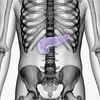
Pancreatic cancer is a malignant tumor located in the pancreas, an organ situated behind the stomach responsible for producing digestive enzymes and hormones such as insulin. It is an aggressive form of cancer that is often detected late, as the initial symptoms are vague and easily mistaken for other gastrointestinal issues. Early diagnosis improves the prognosis, but many people discover the tumor only after it has grown or spread.

Causes and risk factors

The exact cause of pancreatic cancer is unclear, but several factors can increase the risk. Often, it is a combination of factors that raises the likelihood of developing the disease:

  • Smoking: The main modifiable risk factor; smokers have a significantly higher risk
  • Age: The risk increases after the age of 60.
  • Hereditary factors: Known gene mutations (e.g., BRCA2) or previous cases of cancer in the family can increase the risk
  • Chronic pancreatitis: Long-term inflammation of the pancreas increases the risk of cancer
  • Diabetes: Can be a warning sign, especially newly developed diabetes in older adults
  • Overweight and diet: Obesity and a high intake of processed food/red meat may increase risk
  • Alcohol: Heavy consumption can cause pancreatitis, which in turn raises the risk of cancer

Common symptoms of pancreatic cancer

It is common for symptoms to be vague and develop slowly at first. The symptoms also depend on the tumor’s location and size.

  • Pain in the upper abdomen that may radiate to the back, often occurring after meals
  • Jaundice (icterus) – blocked bile ducts causing yellow skin and yellowing of the eyes
  • Weight loss and reduced appetite without a clear cause
  • Nausea and bloating
  • Fatty, pale stools or dark urine
  • Itching
  • New-onset or worsening diabetes
  • Fatigue and general malaise

What does the pain feel like?

The pain is often described as dull or aching and may worsen at night or when lying down. Sometimes it radiates like a band from the upper abdomen to the back and may be somewhat relieved when leaning forward. Some people experience tingling in the area.

How is the diagnosis made?

An evaluation is performed to confirm the diagnosis, determine the size of the tumor, check for any spread, and plan treatment.

  • Blood tests: Liver and bile duct markers, and sometimes the tumor marker CA 19-9
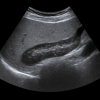
  • CT scan or ultrasound of the pancreas : Used to assess the tumor and any spread
  • MRI of the pancreas : Provides detailed images of ducts and soft tissues
  • Endoscopic ultrasound (EUS) with biopsy: A tissue sample is taken to confirm the diagnosis

Prognosis and treatment of pancreatic cancer

Pancreatic cancer is an aggressive disease, and the prognosis can vary greatly depending on the stage at diagnosis. Early detection and the possibility of surgically removing the tumor improve the outlook. The choice of treatment depends on the tumor’s location, how advanced the disease is, and the patient’s overall health. Treatment often involves a combination of surgery, chemotherapy, and radiation therapy. If the disease is at an advanced stage, palliative measures may be used, such as pain relief and support for digestive symptoms. Regular follow-up is necessary to manage symptoms, ensure adequate nutrition, and monitor treatment effectiveness.
Related tests and health checks


MRI Pancreas

MRI Pancreas

Magnetic resonance imaging
Information

Medical comment included

With us, you will always receive a doctor’s opinion from a licensed physician when you order a medical check-up that includes a medical opinion. The doctor’s opinion includes an overall assessment of your results from laboratory analysis. The opinion is individual and may vary depending on the specific tests your medical check-up includes.

What can I expect in the medical report?

The medical opinion will summarize the results of your test results to give you an assessment of your health including any abnormalities outside the reference ranges. In case of abnormalities or need, your doctor may also contact you for a free conversation to explain and talk about your results. Remember that a health check always includes specific test results based on your health and your personal circumstances. Values outside the reference range should therefore always be discussed with a doctor before any decisions regarding possible treatment are made.

What does the doctor look at during a health check?

When assessing a blood test or health check, your doctor will look at several different parameters to evaluate your health and identify any abnormalities. Below are some common aspects your doctor may examine:

Blood counts: Your doctor will check red, white and platelet counts to identify any signs of anaemia, infection or bleeding.

Nutrients and biochemical markers: Includes, for example, analysis and monitoring of blood sugar (glucose) levels, electrolyte levels (e.g. sodium, potassium), liver function tests (e.g. liver enzymes), kidney function tests (e.g. creatinine, urea) and lipid profile (e.g. cholesterol, triglycerides). The results of the tests give your doctor a better idea of your organ function, blood sugar level, cholesterol conditions and other important health aspects.

Inflammatory markers: Your doctor may measure health markers such as C-reactive protein (CRP) or red blood cell decrease rate (SR) to evaluate inflammatory conditions or confirm an active infection.

Hormone levels: Your doctor may monitor your hormone levels to assess hormonal imbalances or diseases, such as thyroid hormones (TSH, T3, T4), sex hormones or other specific hormones such as testosterone levels.

Specific tests: Depending on your goal of your health check or medical history, your doctor may look into specific tests to investigate conditions or diseases, such as diabetes, vitamin deficiency or autoimmune diseases.

In conclusion, the doctor weighs all test results based on the health check to assess your overall health, detect any abnormalities and identify possible underlying medical conditions.

What happens if I have abnormal test results?

If your blood count is abnormal, this will be addressed in your personal medical opinion. Depending on the nature and extent of the abnormality, your doctor may also contact you directly through the test result service for further guidance. Various measures and advice will be provided based on the specific abnormalities observed along with your medical history.

Call included

Call included, one of our doctors will contact you.
  • Recommended for suspected pancreatitis, cyst, tumor or elevated liver values.
  • The examination is radiation-free and does not require contrast – also suitable for impaired kidney function.
  • Referral and specialist assessment included – safe, convenient and medically safe.

6 195 kr

Ultrasound Pancreas

Ultrasound Pancreas

Ultrasound
Information

Medical comment included

With us, you will always receive a doctor’s opinion from a licensed physician when you order a medical check-up that includes a medical opinion. The doctor’s opinion includes an overall assessment of your results from laboratory analysis. The opinion is individual and may vary depending on the specific tests your medical check-up includes.

What can I expect in the medical report?

The medical opinion will summarize the results of your test results to give you an assessment of your health including any abnormalities outside the reference ranges. In case of abnormalities or need, your doctor may also contact you for a free conversation to explain and talk about your results. Remember that a health check always includes specific test results based on your health and your personal circumstances. Values outside the reference range should therefore always be discussed with a doctor before any decisions regarding possible treatment are made.

What does the doctor look at during a health check?

When assessing a blood test or health check, your doctor will look at several different parameters to evaluate your health and identify any abnormalities. Below are some common aspects your doctor may examine:

Blood counts: Your doctor will check red, white and platelet counts to identify any signs of anaemia, infection or bleeding.

Nutrients and biochemical markers: Includes, for example, analysis and monitoring of blood sugar (glucose) levels, electrolyte levels (e.g. sodium, potassium), liver function tests (e.g. liver enzymes), kidney function tests (e.g. creatinine, urea) and lipid profile (e.g. cholesterol, triglycerides). The results of the tests give your doctor a better idea of your organ function, blood sugar level, cholesterol conditions and other important health aspects.

Inflammatory markers: Your doctor may measure health markers such as C-reactive protein (CRP) or red blood cell decrease rate (SR) to evaluate inflammatory conditions or confirm an active infection.

Hormone levels: Your doctor may monitor your hormone levels to assess hormonal imbalances or diseases, such as thyroid hormones (TSH, T3, T4), sex hormones or other specific hormones such as testosterone levels.

Specific tests: Depending on your goal of your health check or medical history, your doctor may look into specific tests to investigate conditions or diseases, such as diabetes, vitamin deficiency or autoimmune diseases.

In conclusion, the doctor weighs all test results based on the health check to assess your overall health, detect any abnormalities and identify possible underlying medical conditions.

What happens if I have abnormal test results?

If your blood count is abnormal, this will be addressed in your personal medical opinion. Depending on the nature and extent of the abnormality, your doctor may also contact you directly through the test result service for further guidance. Various measures and advice will be provided based on the specific abnormalities observed along with your medical history.

  • Ultrasound of the pancreas shows inflammation, cysts, stones and structural changes in the pancreas.
  • Recommended for abdominal pain, jaundice or elevated enzyme values.
  • Quick, painless and radiation-free examination of the pancreas.
  • Written opinion and recommendation from a specialist doctor are included.

2 095 kr


19-9

CA 19-9

Pancreatic cancer test
  • Blood analysis of S- CA 19-9.
  • CA 19-9, tumor marker for pancreatic cancer.
  • Blood tests to monitor pancreatic cancer treatment.
  • Recommended if pancreatic cancer is suspected.

595 kr


19-9

CA 19-9

Pancreatic cancer test
  • Blood analysis of S- CA 19-9.
  • CA 19-9, tumor marker for pancreatic cancer.
  • Blood tests to monitor pancreatic cancer treatment.
  • Recommended if pancreatic cancer is suspected.

595 kr

Other symptoms

Cart

The basket is empty.

Hos oss får du tillgång till Sveriges bredaste utbud av blodprov, hälsokontroller och MR – med läkare som alltid granskar dina provsvar.

Select tests


Sampling fee
Total
Sampling fee?

The sample collection fee is a fixed cost that refers to the visit to the clinic where you submit your sample. The fee is not affected by how many tests you have ordered, but varies depending on the order value:

Free sampling fee

For purchases over 1 000 SEK, the sampling fee is included.