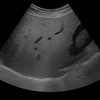
Jaundice in adults

Jaundice in adults is characterized by a yellowish discoloration of the skin and eyes, which occurs when bilirubin accumulates in the body. Common causes of jaundice in adults include liver problems, bile duct blockages, and certain blood disorders. Symptoms and treatment methods vary depending on the cause, and practical advice can help manage the condition.

Jaundice is a medical condition where the skin and the whites of the eyes take on a yellowish hue. This is caused by an increased amount of bilirubin in the blood – a byproduct of the breakdown of red blood cells. When the body cannot process bilirubin effectively, it accumulates and leads to jaundice.

What causes jaundice in adults?

There are several reasons why jaundice can occur, and the prevalence of jaundice in adults varies depending on region and underlying causes such as liver diseases, bile duct problems, or blood disorders. Jaundice is not a disease in itself but rather a symptom of an underlying problem. There is no exact global statistic on how many adults are affected by jaundice each year, but it is more common in individuals with liver-related conditions such as cirrhosis, hepatitis, or bile duct obstructions. Here are some of the most common causes:

  • Liver problems: The liver plays a crucial role in processing bilirubin. If the liver does not function properly, as in liver diseases such as hepatitis or cirrhosis, bilirubin cannot be processed effectively.
  • Blockage of the bile ducts: The bile ducts transport bilirubin from the liver to the intestine. If these ducts are blocked by gallstones or tumors, bilirubin cannot be eliminated properly.
  • Hemolytic anemia: This type of anemia involves the rapid breakdown of red blood cells, leading to an overproduction of bilirubin.
  • Newborn jaundice: Newborns may develop jaundice because their liver is not fully developed to process bilirubin efficiently. This is usually harmless and resolves over time.

Symptoms of jaundice

In addition to the characteristic yellowing, jaundice may also be accompanied by other symptoms:

  • Dark urine
  • Light or gray-colored stools
  • Fatigue
  • Abdominal pain
  • Fever

Diagnosis of jaundice

Diagnosis of jaundice usually begins with a physical examination and the patient's medical history. To confirm the diagnosis, doctors may use:

  • Blood tests: To measure bilirubin levels.
  • Ultrasound: To examine the liver and bile ducts.
  • CT scan: For more detailed imaging.
  • Magnetic Resonance Imaging (MRI): Provides detailed images of the liver, bile ducts, and abdominal organs without radiation.
  • MRCP (Magnetic Resonance Cholangiopancreatography): A specialized MRI examination that provides very clear images of the bile ducts and pancreatic duct to detect conditions such as gallstones or blockages.

Treatment for jaundice

Treatment depends on the underlying cause of the jaundice:

  • Medical treatment: If infections such as hepatitis are the cause, antiviral or antibiotic medications may be used.
  • Surgery: If there is a blockage in the bile ducts, surgery may be necessary to restore normal function.
  • Phototherapy: For newborns, phototherapy is often used, where the baby is exposed to special light that helps break down bilirubin in the skin.

Practical tips for managing jaundice

Here are some tips for managing jaundice:

  • Follow your doctor's advice: It is important to follow the treatment plan recommended by your doctor.
  • Stay hydrated: Drinking fluids helps the body eliminate excess bilirubin.
  • Avoid alcohol: Alcohol can further strain the liver.
  • Eat a balanced diet: A healthy diet supports liver health.

Scientific insights

A study published in "The Lancet" emphasizes the importance of early diagnosis and treatment to prevent complications of jaundice (Smith et al., 2020). Additionally, research highlights the effectiveness of phototherapy in newborns with mild to moderate jaundice (Johnson & Brown, 2021).

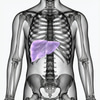
Related tests and health checks


  • Measures your levels of total bilirubin.
  • Analysis of P- Bilirubin, venous blood sample.
  • Breakdown product of hemoglobin (HB).
  • Indicates possible liver disease.

69 kr


SAVE 300 kr
MRI Abdomen/MRCP

MRI Abdomen/MRCP

MRI of the abdomen
Information

Medical comment included

With us, you will always receive a doctor’s opinion from a licensed physician when you order a medical check-up that includes a medical opinion. The doctor’s opinion includes an overall assessment of your results from laboratory analysis. The opinion is individual and may vary depending on the specific tests your medical check-up includes.

What can I expect in the medical report?

The medical opinion will summarize the results of your test results to give you an assessment of your health including any abnormalities outside the reference ranges. In case of abnormalities or need, your doctor may also contact you for a free conversation to explain and talk about your results. Remember that a health check always includes specific test results based on your health and your personal circumstances. Values outside the reference range should therefore always be discussed with a doctor before any decisions regarding possible treatment are made.

What does the doctor look at during a health check?

When assessing a blood test or health check, your doctor will look at several different parameters to evaluate your health and identify any abnormalities. Below are some common aspects your doctor may examine:

Blood counts: Your doctor will check red, white and platelet counts to identify any signs of anaemia, infection or bleeding.

Nutrients and biochemical markers: Includes, for example, analysis and monitoring of blood sugar (glucose) levels, electrolyte levels (e.g. sodium, potassium), liver function tests (e.g. liver enzymes), kidney function tests (e.g. creatinine, urea) and lipid profile (e.g. cholesterol, triglycerides). The results of the tests give your doctor a better idea of your organ function, blood sugar level, cholesterol conditions and other important health aspects.

Inflammatory markers: Your doctor may measure health markers such as C-reactive protein (CRP) or red blood cell decrease rate (SR) to evaluate inflammatory conditions or confirm an active infection.

Hormone levels: Your doctor may monitor your hormone levels to assess hormonal imbalances or diseases, such as thyroid hormones (TSH, T3, T4), sex hormones or other specific hormones such as testosterone levels.

Specific tests: Depending on your goal of your health check or medical history, your doctor may look into specific tests to investigate conditions or diseases, such as diabetes, vitamin deficiency or autoimmune diseases.

In conclusion, the doctor weighs all test results based on the health check to assess your overall health, detect any abnormalities and identify possible underlying medical conditions.

What happens if I have abnormal test results?

If your blood count is abnormal, this will be addressed in your personal medical opinion. Depending on the nature and extent of the abnormality, your doctor may also contact you directly through the test result service for further guidance. Various measures and advice will be provided based on the specific abnormalities observed along with your medical history.

Call included

Call included, one of our doctors will contact you.
  • Abdominal MRI visualizes the liver, kidneys, bile ducts, and pancreas.
  • Recommended for abdominal pain or suspected abnormalities.
  • MRCP shows bile and pancreatic ducts – without contrast agents.
  • Radiation-free exam with referral and specialist report included.

6 995 kr6 695 kr

MR Liver

MR Liver

MRI examination of the liver
Information

Medical comment included

With us, you will always receive a doctor’s opinion from a licensed physician when you order a medical check-up that includes a medical opinion. The doctor’s opinion includes an overall assessment of your results from laboratory analysis. The opinion is individual and may vary depending on the specific tests your medical check-up includes.

What can I expect in the medical report?

The medical opinion will summarize the results of your test results to give you an assessment of your health including any abnormalities outside the reference ranges. In case of abnormalities or need, your doctor may also contact you for a free conversation to explain and talk about your results. Remember that a health check always includes specific test results based on your health and your personal circumstances. Values outside the reference range should therefore always be discussed with a doctor before any decisions regarding possible treatment are made.

What does the doctor look at during a health check?

When assessing a blood test or health check, your doctor will look at several different parameters to evaluate your health and identify any abnormalities. Below are some common aspects your doctor may examine:

Blood counts: Your doctor will check red, white and platelet counts to identify any signs of anaemia, infection or bleeding.

Nutrients and biochemical markers: Includes, for example, analysis and monitoring of blood sugar (glucose) levels, electrolyte levels (e.g. sodium, potassium), liver function tests (e.g. liver enzymes), kidney function tests (e.g. creatinine, urea) and lipid profile (e.g. cholesterol, triglycerides). The results of the tests give your doctor a better idea of your organ function, blood sugar level, cholesterol conditions and other important health aspects.

Inflammatory markers: Your doctor may measure health markers such as C-reactive protein (CRP) or red blood cell decrease rate (SR) to evaluate inflammatory conditions or confirm an active infection.

Hormone levels: Your doctor may monitor your hormone levels to assess hormonal imbalances or diseases, such as thyroid hormones (TSH, T3, T4), sex hormones or other specific hormones such as testosterone levels.

Specific tests: Depending on your goal of your health check or medical history, your doctor may look into specific tests to investigate conditions or diseases, such as diabetes, vitamin deficiency or autoimmune diseases.

In conclusion, the doctor weighs all test results based on the health check to assess your overall health, detect any abnormalities and identify possible underlying medical conditions.

What happens if I have abnormal test results?

If your blood count is abnormal, this will be addressed in your personal medical opinion. Depending on the nature and extent of the abnormality, your doctor may also contact you directly through the test result service for further guidance. Various measures and advice will be provided based on the specific abnormalities observed along with your medical history.

Call included

Call included, one of our doctors will contact you.
  • MR Liver provides detailed visualization of liver tissue, bile ducts and blood flow.
  • Recommended for elevated liver values, suspected fatty liver, cysts or tumors.
  • Safe, gentle and completely radiation-free method with high diagnostic precision.
  • Telephone consultation and medical referral to a radiologist are included with booking.

6 795 kr

Ultraljud Liver

Ultraljud Liver

Ultrasound
Information

Medical comment included

With us, you will always receive a doctor’s opinion from a licensed physician when you order a medical check-up that includes a medical opinion. The doctor’s opinion includes an overall assessment of your results from laboratory analysis. The opinion is individual and may vary depending on the specific tests your medical check-up includes.

What can I expect in the medical report?

The medical opinion will summarize the results of your test results to give you an assessment of your health including any abnormalities outside the reference ranges. In case of abnormalities or need, your doctor may also contact you for a free conversation to explain and talk about your results. Remember that a health check always includes specific test results based on your health and your personal circumstances. Values outside the reference range should therefore always be discussed with a doctor before any decisions regarding possible treatment are made.

What does the doctor look at during a health check?

When assessing a blood test or health check, your doctor will look at several different parameters to evaluate your health and identify any abnormalities. Below are some common aspects your doctor may examine:

Blood counts: Your doctor will check red, white and platelet counts to identify any signs of anaemia, infection or bleeding.

Nutrients and biochemical markers: Includes, for example, analysis and monitoring of blood sugar (glucose) levels, electrolyte levels (e.g. sodium, potassium), liver function tests (e.g. liver enzymes), kidney function tests (e.g. creatinine, urea) and lipid profile (e.g. cholesterol, triglycerides). The results of the tests give your doctor a better idea of your organ function, blood sugar level, cholesterol conditions and other important health aspects.

Inflammatory markers: Your doctor may measure health markers such as C-reactive protein (CRP) or red blood cell decrease rate (SR) to evaluate inflammatory conditions or confirm an active infection.

Hormone levels: Your doctor may monitor your hormone levels to assess hormonal imbalances or diseases, such as thyroid hormones (TSH, T3, T4), sex hormones or other specific hormones such as testosterone levels.

Specific tests: Depending on your goal of your health check or medical history, your doctor may look into specific tests to investigate conditions or diseases, such as diabetes, vitamin deficiency or autoimmune diseases.

In conclusion, the doctor weighs all test results based on the health check to assess your overall health, detect any abnormalities and identify possible underlying medical conditions.

What happens if I have abnormal test results?

If your blood count is abnormal, this will be addressed in your personal medical opinion. Depending on the nature and extent of the abnormality, your doctor may also contact you directly through the test result service for further guidance. Various measures and advice will be provided based on the specific abnormalities observed along with your medical history.

  • Ultrasound of the liver shows fatty liver, cysts, tumors and structural changes in the liver.
  • Recommended for elevated liver values, abdominal pain or suspected liver disease.
  • Quick, painless and radiation-free examination of the liver's structure and blood flow.
  • Written opinion and recommendation from a specialist doctor are included.

1 995 kr

Other symptoms