
Skip to content

Sacroiliitis

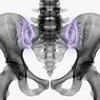
Sacroiliitis is a common but often overlooked cause of pain in the lower back and pelvis. The condition involves inflammation of the sacroiliac joint (SI joint), located where the spine meets the pelvis. The pain can be dull or sharp and is often felt in the lower back, buttock, or hip.

Quick version

Sacroiliitis – what is it and why does it hurt?

The sacroiliac joints, also called the SI joints , function as shock absorbers between the upper body and the legs. When these joints become inflamed, mobility is affected and pain occurs—this is called sacroiliitis. It can feel like ordinary back pain, which means sacroiliitis is sometimes mistaken for other conditions such as disc problems or sciatica . The difference is that the pain is often deeper and more on one side of the lower back or in the buttock area.

Common symptoms of sacroiliitis

Most people with sacroiliitis seek care for pain in the lower back or over one buttock. The pain can sometimes radiate down toward the thigh or groin, which can make it difficult to determine where the problem actually originates.

Typical signs of sacroiliitis include:

  • Pain in the lower back, pelvis, or buttock
  • Stiffness in the morning or after rest
  • Worsening pain with prolonged sitting or standing
  • Discomfort when climbing stairs, running, or standing up
  • Aching pain that may radiate to the thigh or groin

In inflammatory causes, such as rheumatoid arthritis , the pain may also develop gradually, feel worse at night, and be accompanied by fatigue.

Common causes of inflammation in the SI joint

Sacroiliitis can occur for several different reasons. In many cases, it involves a combination of strain and sensitivity in the joint. A common cause is overuse, for example after repetitive movements, heavy training, or prolonged sitting. Pregnancy is also a known factor, as the pelvis changes and is loaded differently. Injuries, such as falls or blows to the back, can also trigger symptoms. In some individuals, sacroiliitis is due to an inflammatory disease, such as axial spondyloarthritis (previously called Bechterew’s disease). In these cases, the inflammation is more long-lasting and requires specific treatment. In more rare cases, infection may be the underlying cause.

When should you seek care for SI joint pain?

Seek medical care if you have had pain in the lower back or pelvis for several weeks without improvement. This is especially important if the pain affects your sleep, causes morning stiffness, or interferes with your daily life. You should seek urgent care if you experience severe pain after an injury, fever combined with back pain, or if you notice numbness, weakness in the legs, or problems with bladder or bowel function.

Diagnosis of sacroiliitis – how is it done?

The evaluation usually begins with a clinical examination where you describe your symptoms and answer questions about how the pain feels and when it occurs. The doctor performs a physical exam, testing movements that stress the SI joint. If needed, this may be supplemented with blood tests or imaging, such as X-ray or MRI of the hip and pelvis , especially if an inflammatory disease is suspected.

Treatment of sacroiliitis – what helps relieve the pain?

Treatment is tailored to the cause but focuses on reducing inflammation and improving mobility. In most cases, a combination of movement and targeted exercise provides the best long-term results. Physiotherapy is often a key component and helps strengthen the muscles around the pelvis and back. Pain-relieving and anti-inflammatory medications may be used when needed. If sacroiliitis is linked to a rheumatic disease, more specific medical treatment may be required. In some cases, an injection into the joint may be considered to reduce inflammation.

Self-care for sacroiliitis – what can you do yourself?

Keeping your body moving is one of the most important ways to reduce SI joint symptoms. Light exercise such as walking, mobility exercises, and stability training can make a big difference. Try to avoid sitting still in the same position for long periods and vary your activity throughout the day. Heat, such as a wheat bag or a warm shower, can also help relieve pain for many people.

Prognosis – how long does sacroiliitis last?

Most people improve with the right treatment and adjusted activity. For some, symptoms resolve within a few weeks, while others may experience recurring problems. If sacroiliitis is caused by an inflammatory disease, it is important to receive the correct diagnosis early. With proper treatment, symptoms can be reduced and quality of life improved in the long term.
Questions and answers

Common symptoms include lower back or buttock pain, morning stiffness, and discomfort that worsens with prolonged sitting, standing, or climbing stairs.

Sacroiliitis is often mistaken for sciatica, but the difference is that sacroiliitis pain is usually deeper and more concentrated on one side of the lower back or buttock area.

Yes, pregnancy is a common cause as the pelvis undergoes changes and is loaded differently, which can irritate the SI joints.

Related tests and health checks


MRI Hip joint and pelvis

MRI Hip joint and pelvis

Magnetic resonance imaging
Information

Medical comment included

With us, you will always receive a doctor’s opinion from a licensed physician when you order a medical check-up that includes a medical opinion. The doctor’s opinion includes an overall assessment of your results from laboratory analysis. The opinion is individual and may vary depending on the specific tests your medical check-up includes.

What can I expect in the medical report?

The medical opinion will summarize the results of your test results to give you an assessment of your health including any abnormalities outside the reference ranges. In case of abnormalities or need, your doctor may also contact you for a free conversation to explain and talk about your results. Remember that a health check always includes specific test results based on your health and your personal circumstances. Values outside the reference range should therefore always be discussed with a doctor before any decisions regarding possible treatment are made.

What does the doctor look at during a health check?

When assessing a blood test or health check, your doctor will look at several different parameters to evaluate your health and identify any abnormalities. Below are some common aspects your doctor may examine:

Blood counts: Your doctor will check red, white and platelet counts to identify any signs of anaemia, infection or bleeding.

Nutrients and biochemical markers: Includes, for example, analysis and monitoring of blood sugar (glucose) levels, electrolyte levels (e.g. sodium, potassium), liver function tests (e.g. liver enzymes), kidney function tests (e.g. creatinine, urea) and lipid profile (e.g. cholesterol, triglycerides). The results of the tests give your doctor a better idea of your organ function, blood sugar level, cholesterol conditions and other important health aspects.

Inflammatory markers: Your doctor may measure health markers such as C-reactive protein (CRP) or red blood cell decrease rate (SR) to evaluate inflammatory conditions or confirm an active infection.

Hormone levels: Your doctor may monitor your hormone levels to assess hormonal imbalances or diseases, such as thyroid hormones (TSH, T3, T4), sex hormones or other specific hormones such as testosterone levels.

Specific tests: Depending on your goal of your health check or medical history, your doctor may look into specific tests to investigate conditions or diseases, such as diabetes, vitamin deficiency or autoimmune diseases.

In conclusion, the doctor weighs all test results based on the health check to assess your overall health, detect any abnormalities and identify possible underlying medical conditions.

What happens if I have abnormal test results?

If your blood count is abnormal, this will be addressed in your personal medical opinion. Depending on the nature and extent of the abnormality, your doctor may also contact you directly through the test result service for further guidance. Various measures and advice will be provided based on the specific abnormalities observed along with your medical history.

Call included

Call included, one of our doctors will contact you.
  • Recommended for hip pain, stiffness or lameness
  • Painless MRI examination with a high level of detail
  • MRI Hip/Pelvis – referral and appointment booked directly

5 795 kr

Other symptoms

Cart

The basket is empty.

Hos oss får du tillgång till Sveriges bredaste utbud av blodprov, hälsokontroller och MR – med läkare som alltid granskar dina provsvar.

Select tests


Sampling fee
Total
Sampling fee?

The sample collection fee is a fixed cost that refers to the visit to the clinic where you submit your sample. The fee is not affected by how many tests you have ordered, but varies depending on the order value:

Free sampling fee

For purchases over 1 000 SEK, the sampling fee is included.