Skip to content

Goitre

Goiter is a medical term used to describe the enlargement of the thyroid gland. Goiter can occur for various reasons and can be either diffuse or nodular. In diffuse goiter, the entire thyroid gland is enlarged, while in nodular goiter, there are individual nodules or lumps in the thyroid gland that cause the enlargement.

Hormonal balance

Hormonal balance

Hormone analysis woman

795 kr

10% discount on testmottagningen.se with the code: PÅSK2026 Health checks for increased well-being


Quick version

The thyroid gland is a gland that sits on the front of the neck and is responsible for producing thyroid hormones that regulate the body's metabolism. Goiter can occur for various reasons and can be either diffuse or nodular. In diffuse goiter, the entire thyroid gland is enlarged, while in nodular goiter, there are individual nodules or lumps in the thyroid gland that cause the enlargement.

The causes of goiter can be varied. While iodine deficiency in the diet is the most common cause globally, it is now uncommon in Sweden as iodine is added to table salt. Autoimmune diseases such as Hashimoto's thyroiditis and Graves' disease can also lead to goiter. Certain medical conditions and hereditary factors may also play a role in the development of goiter.

Common symptoms of goiter:

The symptoms of goiter can vary depending on the size, cause and individual impact. Some people may have an enlarged thyroid without experiencing any symptoms, while others may experience difficulty swallowing or breathing due to the pressure of the enlarged thyroid.

  • Feeling of swelling in the pharynx and throat, which can lead to difficulty swallowing. The enlarged thyroid gland can press against the esophagus and make swallowing food or liquids uncomfortable or painful.
  • A lump or elevation on the outside of the throat, below the larynx. This may be visible or felt to the touch. The nodule can be a result of enlarged parts of the thyroid gland or individual nodules (nodular goiter).
  • Sometimes people with goiter may experience difficulty breathing, especially when they are exerted or stressed. The enlarged thyroid gland can press against the trachea and restrict airflow, which can cause breathing problems
  • Hoarseness is another common symptom of goiter. The enlarged thyroid gland can affect the vocal cords and cause a change in the timbre of the voice or a deterioration of voice function.


Questions and answers

In diffuse goiter, the entire thyroid gland is uniformly enlarged. In nodular goiter, specific lumps or nodules within the gland cause the enlargement.

Common symptoms include a visible swelling or lump on the neck, a feeling of tightness in the throat, difficulty swallowing, and changes in the voice (hoarseness).

Iodine deficiency is the leading cause worldwide. However, it can also be caused by autoimmune diseases (such as Graves' or Hashimoto's), genetics, or other underlying medical conditions.

Related tests and health checks


Hormonal balance

Hormonal balance

Hormone analysis woman
Information

Medical comment included

With us, you will always receive a doctor’s opinion from a licensed physician when you order a medical check-up that includes a medical opinion. The doctor’s opinion includes an overall assessment of your results from laboratory analysis. The opinion is individual and may vary depending on the specific tests your medical check-up includes.

What can I expect in the medical report?

The medical opinion will summarize the results of your test results to give you an assessment of your health including any abnormalities outside the reference ranges. In case of abnormalities or need, your doctor may also contact you for a free conversation to explain and talk about your results. Remember that a health check always includes specific test results based on your health and your personal circumstances. Values outside the reference range should therefore always be discussed with a doctor before any decisions regarding possible treatment are made.

What does the doctor look at during a health check?

When assessing a blood test or health check, your doctor will look at several different parameters to evaluate your health and identify any abnormalities. Below are some common aspects your doctor may examine:

Blood counts: Your doctor will check red, white and platelet counts to identify any signs of anaemia, infection or bleeding.

Nutrients and biochemical markers: Includes, for example, analysis and monitoring of blood sugar (glucose) levels, electrolyte levels (e.g. sodium, potassium), liver function tests (e.g. liver enzymes), kidney function tests (e.g. creatinine, urea) and lipid profile (e.g. cholesterol, triglycerides). The results of the tests give your doctor a better idea of your organ function, blood sugar level, cholesterol conditions and other important health aspects.

Inflammatory markers: Your doctor may measure health markers such as C-reactive protein (CRP) or red blood cell decrease rate (SR) to evaluate inflammatory conditions or confirm an active infection.

Hormone levels: Your doctor may monitor your hormone levels to assess hormonal imbalances or diseases, such as thyroid hormones (TSH, T3, T4), sex hormones or other specific hormones such as testosterone levels.

Specific tests: Depending on your goal of your health check or medical history, your doctor may look into specific tests to investigate conditions or diseases, such as diabetes, vitamin deficiency or autoimmune diseases.

In conclusion, the doctor weighs all test results based on the health check to assess your overall health, detect any abnormalities and identify possible underlying medical conditions.

What happens if I have abnormal test results?

If your blood count is abnormal, this will be addressed in your personal medical opinion. Depending on the nature and extent of the abnormality, your doctor may also contact you directly through the test result service for further guidance. Various measures and advice will be provided based on the specific abnormalities observed along with your medical history.

  • Health check for hormonal balance.
  • Hormonal analysis for you as a woman.
  • Get insight into your hormonal levels.

795 kr

Hormonal balance plus

Hormonal balance plus

Hormone test woman
Information

Medical comment included

With us, you will always receive a doctor’s opinion from a licensed physician when you order a medical check-up that includes a medical opinion. The doctor’s opinion includes an overall assessment of your results from laboratory analysis. The opinion is individual and may vary depending on the specific tests your medical check-up includes.

What can I expect in the medical report?

The medical opinion will summarize the results of your test results to give you an assessment of your health including any abnormalities outside the reference ranges. In case of abnormalities or need, your doctor may also contact you for a free conversation to explain and talk about your results. Remember that a health check always includes specific test results based on your health and your personal circumstances. Values outside the reference range should therefore always be discussed with a doctor before any decisions regarding possible treatment are made.

What does the doctor look at during a health check?

When assessing a blood test or health check, your doctor will look at several different parameters to evaluate your health and identify any abnormalities. Below are some common aspects your doctor may examine:

Blood counts: Your doctor will check red, white and platelet counts to identify any signs of anaemia, infection or bleeding.

Nutrients and biochemical markers: Includes, for example, analysis and monitoring of blood sugar (glucose) levels, electrolyte levels (e.g. sodium, potassium), liver function tests (e.g. liver enzymes), kidney function tests (e.g. creatinine, urea) and lipid profile (e.g. cholesterol, triglycerides). The results of the tests give your doctor a better idea of your organ function, blood sugar level, cholesterol conditions and other important health aspects.

Inflammatory markers: Your doctor may measure health markers such as C-reactive protein (CRP) or red blood cell decrease rate (SR) to evaluate inflammatory conditions or confirm an active infection.

Hormone levels: Your doctor may monitor your hormone levels to assess hormonal imbalances or diseases, such as thyroid hormones (TSH, T3, T4), sex hormones or other specific hormones such as testosterone levels.

Specific tests: Depending on your goal of your health check or medical history, your doctor may look into specific tests to investigate conditions or diseases, such as diabetes, vitamin deficiency or autoimmune diseases.

In conclusion, the doctor weighs all test results based on the health check to assess your overall health, detect any abnormalities and identify possible underlying medical conditions.

What happens if I have abnormal test results?

If your blood count is abnormal, this will be addressed in your personal medical opinion. Depending on the nature and extent of the abnormality, your doctor may also contact you directly through the test result service for further guidance. Various measures and advice will be provided based on the specific abnormalities observed along with your medical history.

  • Comprehensive health check for hormonal balance.
  • Extended hormone analysis for you as a woman.
  • Get deeper insight into your hormonal levels.

1 595 kr

Thyroid test

Thyroid test

Thyroid hormone test
Information

Medical comment included

With us, you will always receive a doctor’s opinion from a licensed physician when you order a medical check-up that includes a medical opinion. The doctor’s opinion includes an overall assessment of your results from laboratory analysis. The opinion is individual and may vary depending on the specific tests your medical check-up includes.

What can I expect in the medical report?

The medical opinion will summarize the results of your test results to give you an assessment of your health including any abnormalities outside the reference ranges. In case of abnormalities or need, your doctor may also contact you for a free conversation to explain and talk about your results. Remember that a health check always includes specific test results based on your health and your personal circumstances. Values outside the reference range should therefore always be discussed with a doctor before any decisions regarding possible treatment are made.

What does the doctor look at during a health check?

When assessing a blood test or health check, your doctor will look at several different parameters to evaluate your health and identify any abnormalities. Below are some common aspects your doctor may examine:

Blood counts: Your doctor will check red, white and platelet counts to identify any signs of anaemia, infection or bleeding.

Nutrients and biochemical markers: Includes, for example, analysis and monitoring of blood sugar (glucose) levels, electrolyte levels (e.g. sodium, potassium), liver function tests (e.g. liver enzymes), kidney function tests (e.g. creatinine, urea) and lipid profile (e.g. cholesterol, triglycerides). The results of the tests give your doctor a better idea of your organ function, blood sugar level, cholesterol conditions and other important health aspects.

Inflammatory markers: Your doctor may measure health markers such as C-reactive protein (CRP) or red blood cell decrease rate (SR) to evaluate inflammatory conditions or confirm an active infection.

Hormone levels: Your doctor may monitor your hormone levels to assess hormonal imbalances or diseases, such as thyroid hormones (TSH, T3, T4), sex hormones or other specific hormones such as testosterone levels.

Specific tests: Depending on your goal of your health check or medical history, your doctor may look into specific tests to investigate conditions or diseases, such as diabetes, vitamin deficiency or autoimmune diseases.

In conclusion, the doctor weighs all test results based on the health check to assess your overall health, detect any abnormalities and identify possible underlying medical conditions.

What happens if I have abnormal test results?

If your blood count is abnormal, this will be addressed in your personal medical opinion. Depending on the nature and extent of the abnormality, your doctor may also contact you directly through the test result service for further guidance. Various measures and advice will be provided based on the specific abnormalities observed along with your medical history.

  • Thyroid test that measures three different thyroid hormones.
  • Analysis of the thyroid hormones T3, T4 and TSH.
  • Gives you insight into a possible imbalance of your thyroid hormones.
  • Identifies whether you have an underactive or overactive thyroid.

319 kr

Thyroid test plus

Thyroid test plus

Thyroid hormone test - Extended
Information

Medical comment included

With us, you will always receive a doctor’s opinion from a licensed physician when you order a medical check-up that includes a medical opinion. The doctor’s opinion includes an overall assessment of your results from laboratory analysis. The opinion is individual and may vary depending on the specific tests your medical check-up includes.

What can I expect in the medical report?

The medical opinion will summarize the results of your test results to give you an assessment of your health including any abnormalities outside the reference ranges. In case of abnormalities or need, your doctor may also contact you for a free conversation to explain and talk about your results. Remember that a health check always includes specific test results based on your health and your personal circumstances. Values outside the reference range should therefore always be discussed with a doctor before any decisions regarding possible treatment are made.

What does the doctor look at during a health check?

When assessing a blood test or health check, your doctor will look at several different parameters to evaluate your health and identify any abnormalities. Below are some common aspects your doctor may examine:

Blood counts: Your doctor will check red, white and platelet counts to identify any signs of anaemia, infection or bleeding.

Nutrients and biochemical markers: Includes, for example, analysis and monitoring of blood sugar (glucose) levels, electrolyte levels (e.g. sodium, potassium), liver function tests (e.g. liver enzymes), kidney function tests (e.g. creatinine, urea) and lipid profile (e.g. cholesterol, triglycerides). The results of the tests give your doctor a better idea of your organ function, blood sugar level, cholesterol conditions and other important health aspects.

Inflammatory markers: Your doctor may measure health markers such as C-reactive protein (CRP) or red blood cell decrease rate (SR) to evaluate inflammatory conditions or confirm an active infection.

Hormone levels: Your doctor may monitor your hormone levels to assess hormonal imbalances or diseases, such as thyroid hormones (TSH, T3, T4), sex hormones or other specific hormones such as testosterone levels.

Specific tests: Depending on your goal of your health check or medical history, your doctor may look into specific tests to investigate conditions or diseases, such as diabetes, vitamin deficiency or autoimmune diseases.

In conclusion, the doctor weighs all test results based on the health check to assess your overall health, detect any abnormalities and identify possible underlying medical conditions.

What happens if I have abnormal test results?

If your blood count is abnormal, this will be addressed in your personal medical opinion. Depending on the nature and extent of the abnormality, your doctor may also contact you directly through the test result service for further guidance. Various measures and advice will be provided based on the specific abnormalities observed along with your medical history.

  • Measures your levels of the thyroid hormones T3, T4 and TSH.
  • Analysis of TPO antibodies (thyroperoxidase antibodies).
  • Analysis of TRAK thyroid-stimulating hormone receptor antibodies.

759 kr


  • Measuring your TSH value.
  • Thyroid test for analysis of thyroid stimulants.
  • Indication of thyroid diseases.
  • Thyroid tests for general health and fitness.

129 kr


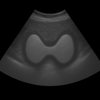
  • Ultrasound thyroid shows nodules, cysts, inflammation and structural changes in the thyroid gland.
  • Recommended for swelling, goiter or abnormal thyroid tests.
  • Quick, painless and radiation-free examination of the thyroid gland and surrounding tissues.
  • Written opinion and recommendation from a specialist doctor included.

1 849 kr


Thyroid test

Thyroid test

Thyroid hormone test
Information

Medical comment included

With us, you will always receive a doctor’s opinion from a licensed physician when you order a medical check-up that includes a medical opinion. The doctor’s opinion includes an overall assessment of your results from laboratory analysis. The opinion is individual and may vary depending on the specific tests your medical check-up includes.

What can I expect in the medical report?

The medical opinion will summarize the results of your test results to give you an assessment of your health including any abnormalities outside the reference ranges. In case of abnormalities or need, your doctor may also contact you for a free conversation to explain and talk about your results. Remember that a health check always includes specific test results based on your health and your personal circumstances. Values outside the reference range should therefore always be discussed with a doctor before any decisions regarding possible treatment are made.

What does the doctor look at during a health check?

When assessing a blood test or health check, your doctor will look at several different parameters to evaluate your health and identify any abnormalities. Below are some common aspects your doctor may examine:

Blood counts: Your doctor will check red, white and platelet counts to identify any signs of anaemia, infection or bleeding.

Nutrients and biochemical markers: Includes, for example, analysis and monitoring of blood sugar (glucose) levels, electrolyte levels (e.g. sodium, potassium), liver function tests (e.g. liver enzymes), kidney function tests (e.g. creatinine, urea) and lipid profile (e.g. cholesterol, triglycerides). The results of the tests give your doctor a better idea of your organ function, blood sugar level, cholesterol conditions and other important health aspects.

Inflammatory markers: Your doctor may measure health markers such as C-reactive protein (CRP) or red blood cell decrease rate (SR) to evaluate inflammatory conditions or confirm an active infection.

Hormone levels: Your doctor may monitor your hormone levels to assess hormonal imbalances or diseases, such as thyroid hormones (TSH, T3, T4), sex hormones or other specific hormones such as testosterone levels.

Specific tests: Depending on your goal of your health check or medical history, your doctor may look into specific tests to investigate conditions or diseases, such as diabetes, vitamin deficiency or autoimmune diseases.

In conclusion, the doctor weighs all test results based on the health check to assess your overall health, detect any abnormalities and identify possible underlying medical conditions.

What happens if I have abnormal test results?

If your blood count is abnormal, this will be addressed in your personal medical opinion. Depending on the nature and extent of the abnormality, your doctor may also contact you directly through the test result service for further guidance. Various measures and advice will be provided based on the specific abnormalities observed along with your medical history.

  • Thyroid test that measures three different thyroid hormones.
  • Analysis of the thyroid hormones T3, T4 and TSH.
  • Gives you insight into a possible imbalance of your thyroid hormones.
  • Identifies whether you have an underactive or overactive thyroid.

319 kr

Thyroid test plus

Thyroid test plus

Thyroid hormone test - Extended
Information

Medical comment included

With us, you will always receive a doctor’s opinion from a licensed physician when you order a medical check-up that includes a medical opinion. The doctor’s opinion includes an overall assessment of your results from laboratory analysis. The opinion is individual and may vary depending on the specific tests your medical check-up includes.

What can I expect in the medical report?

The medical opinion will summarize the results of your test results to give you an assessment of your health including any abnormalities outside the reference ranges. In case of abnormalities or need, your doctor may also contact you for a free conversation to explain and talk about your results. Remember that a health check always includes specific test results based on your health and your personal circumstances. Values outside the reference range should therefore always be discussed with a doctor before any decisions regarding possible treatment are made.

What does the doctor look at during a health check?

When assessing a blood test or health check, your doctor will look at several different parameters to evaluate your health and identify any abnormalities. Below are some common aspects your doctor may examine:

Blood counts: Your doctor will check red, white and platelet counts to identify any signs of anaemia, infection or bleeding.

Nutrients and biochemical markers: Includes, for example, analysis and monitoring of blood sugar (glucose) levels, electrolyte levels (e.g. sodium, potassium), liver function tests (e.g. liver enzymes), kidney function tests (e.g. creatinine, urea) and lipid profile (e.g. cholesterol, triglycerides). The results of the tests give your doctor a better idea of your organ function, blood sugar level, cholesterol conditions and other important health aspects.

Inflammatory markers: Your doctor may measure health markers such as C-reactive protein (CRP) or red blood cell decrease rate (SR) to evaluate inflammatory conditions or confirm an active infection.

Hormone levels: Your doctor may monitor your hormone levels to assess hormonal imbalances or diseases, such as thyroid hormones (TSH, T3, T4), sex hormones or other specific hormones such as testosterone levels.

Specific tests: Depending on your goal of your health check or medical history, your doctor may look into specific tests to investigate conditions or diseases, such as diabetes, vitamin deficiency or autoimmune diseases.

In conclusion, the doctor weighs all test results based on the health check to assess your overall health, detect any abnormalities and identify possible underlying medical conditions.

What happens if I have abnormal test results?

If your blood count is abnormal, this will be addressed in your personal medical opinion. Depending on the nature and extent of the abnormality, your doctor may also contact you directly through the test result service for further guidance. Various measures and advice will be provided based on the specific abnormalities observed along with your medical history.

  • Measures your levels of the thyroid hormones T3, T4 and TSH.
  • Analysis of TPO antibodies (thyroperoxidase antibodies).
  • Analysis of TRAK thyroid-stimulating hormone receptor antibodies.

759 kr

  • Measuring your TSH value.
  • Thyroid test for analysis of thyroid stimulants.
  • Indication of thyroid diseases.
  • Thyroid tests for general health and fitness.

129 kr

Other symptoms

Cart

The basket is empty.

Hos oss får du tillgång till Sveriges bredaste utbud av blodprov, hälsokontroller och MR – med läkare som alltid granskar dina provsvar.

Select tests


Sampling fee
Total
Sampling fee?

The sample collection fee is a fixed cost that refers to the visit to the clinic where you submit your sample. The fee is not affected by how many tests you have ordered, but varies depending on the order value:

Free sampling fee

For purchases over 1 000 SEK, the sampling fee is included.