

Skip to content

Hydrocefalus

Hydrocefalus

Hydrocephalus, also known as hydrocephalus, is a condition in which fluid builds up in the brain. Normal pressure hydrocephalus (NPH) is a common condition in adults and the elderly, and can cause difficulty walking, cognitive impairment, and urinary incontinence, but is treatable in some cases.

Quick version

Hydrocephalus, sometimes called hydrocephalus, is a condition in which there is an abnormal accumulation of cerebrospinal fluid (CSF) in the cavities of the brain, the so-called ventricles. This leads to the ventricles dilating and can cause pressure or disturbances in brain function.

The condition can occur at any age, but in adults and the elderly a particular form is common: normal pressure hydrocephalus (NPH). In NPH, the pressure in the cerebrospinal fluid is often normal when measured, even though the amount of fluid is elevated.

Common symptoms of hydrocephalus and NPH

The symptoms of hydrocephalus vary depending on age and underlying cause. In normal pressure hydrocephalus, a characteristic triad of symptoms is often seen:

  • Difficulties in walking – unsteady gait, wide-tracked walking or difficulty lifting the feet.
  • Cognitive impairment – ​​memory problems, slow thinking, difficulty concentrating.
  • Urinary incontinence – frequent urges or difficulty holding urine.

Symptoms often develop gradually and can be misinterpreted as normal aging or other conditions such as dementia or Parkinson's disease.

When should hydrocephalus be suspected?

Hydrocephalus, especially NPH, should be considered in people who develop gait difficulties in combination with cognitive impairment and/or urinary problems. Since the condition is treatable in some cases, early identification is important.

How is hydrocephalus diagnosed?

The investigation of hydrocephalus usually begins with a clinical assessment and neurological examination. Imaging is central to the diagnosis.

MRI brain is the most important examination when hydrocephalus is suspected. With an MRI scan, you can:

  • Identify dilated ventricles.
  • Assess the structure of the brain and rule out other causes of the symptoms.
  • Strengthen the suspicion of normal pressure hydrocephalus.

In some cases, computed tomography (CT) is also used, but MRI provides more detailed information and is preferable when possible.

Causes of hydrocephalus

Hydrocephalus occurs when the balance between production, circulation and absorption of cerebrospinal fluid is disrupted. Causes may include:

  • Impaired resorption of cerebrospinal fluid (common in NPH).
  • Previous cerebral hemorrhage or meningitis.
  • Trauma to the head.
  • Tumors or cysts that block the flow of fluid.

In normal pressure hydrocephalus, the cause is often unclear, and the condition is then called idiopathic NPH.

Treatment and follow-up

Treatment of hydrocephalus depends on the type and severity. In NPH, surgical treatment may be appropriate.

  • Shunt surgery – a thin tube (shunt) drains excess fluid from the brain to the abdominal cavity.
  • Follow-up of symptoms and shunt function.
  • Rehabilitation, such as physiotherapy for walking difficulties.

Many patients with NPH experience improvement in walking ability and quality of life after treatment, especially if the diagnosis is made in time.
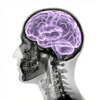
Related tests and health checks


MRI Brain

MRI Brain

Magnetic resonance imaging
Information

Medical comment included

With us, you will always receive a doctor’s opinion from a licensed physician when you order a medical check-up that includes a medical opinion. The doctor’s opinion includes an overall assessment of your results from laboratory analysis. The opinion is individual and may vary depending on the specific tests your medical check-up includes.

What can I expect in the medical report?

The medical opinion will summarize the results of your test results to give you an assessment of your health including any abnormalities outside the reference ranges. In case of abnormalities or need, your doctor may also contact you for a free conversation to explain and talk about your results. Remember that a health check always includes specific test results based on your health and your personal circumstances. Values outside the reference range should therefore always be discussed with a doctor before any decisions regarding possible treatment are made.

What does the doctor look at during a health check?

When assessing a blood test or health check, your doctor will look at several different parameters to evaluate your health and identify any abnormalities. Below are some common aspects your doctor may examine:

Blood counts: Your doctor will check red, white and platelet counts to identify any signs of anaemia, infection or bleeding.

Nutrients and biochemical markers: Includes, for example, analysis and monitoring of blood sugar (glucose) levels, electrolyte levels (e.g. sodium, potassium), liver function tests (e.g. liver enzymes), kidney function tests (e.g. creatinine, urea) and lipid profile (e.g. cholesterol, triglycerides). The results of the tests give your doctor a better idea of your organ function, blood sugar level, cholesterol conditions and other important health aspects.

Inflammatory markers: Your doctor may measure health markers such as C-reactive protein (CRP) or red blood cell decrease rate (SR) to evaluate inflammatory conditions or confirm an active infection.

Hormone levels: Your doctor may monitor your hormone levels to assess hormonal imbalances or diseases, such as thyroid hormones (TSH, T3, T4), sex hormones or other specific hormones such as testosterone levels.

Specific tests: Depending on your goal of your health check or medical history, your doctor may look into specific tests to investigate conditions or diseases, such as diabetes, vitamin deficiency or autoimmune diseases.

In conclusion, the doctor weighs all test results based on the health check to assess your overall health, detect any abnormalities and identify possible underlying medical conditions.

What happens if I have abnormal test results?

If your blood count is abnormal, this will be addressed in your personal medical opinion. Depending on the nature and extent of the abnormality, your doctor may also contact you directly through the test result service for further guidance. Various measures and advice will be provided based on the specific abnormalities observed along with your medical history.

Call included

Call included, one of our doctors will contact you.
  • MRI brain – with contrast if needed.
  • For headaches, dizziness, memory problems or neurological symptoms.
  • Painless and radiation-free – even in acute conditions.
  • Referral and specialist opinion included.

6 795 kr

Other symptoms

Cart

The basket is empty.

Hos oss får du tillgång till Sveriges bredaste utbud av blodprov, hälsokontroller och MR – med läkare som alltid granskar dina provsvar.

Select tests


Sampling fee
Total
Sampling fee?

The sample collection fee is a fixed cost that refers to the visit to the clinic where you submit your sample. The fee is not affected by how many tests you have ordered, but varies depending on the order value:

Free sampling fee

For purchases over 1 000 SEK, the sampling fee is included.