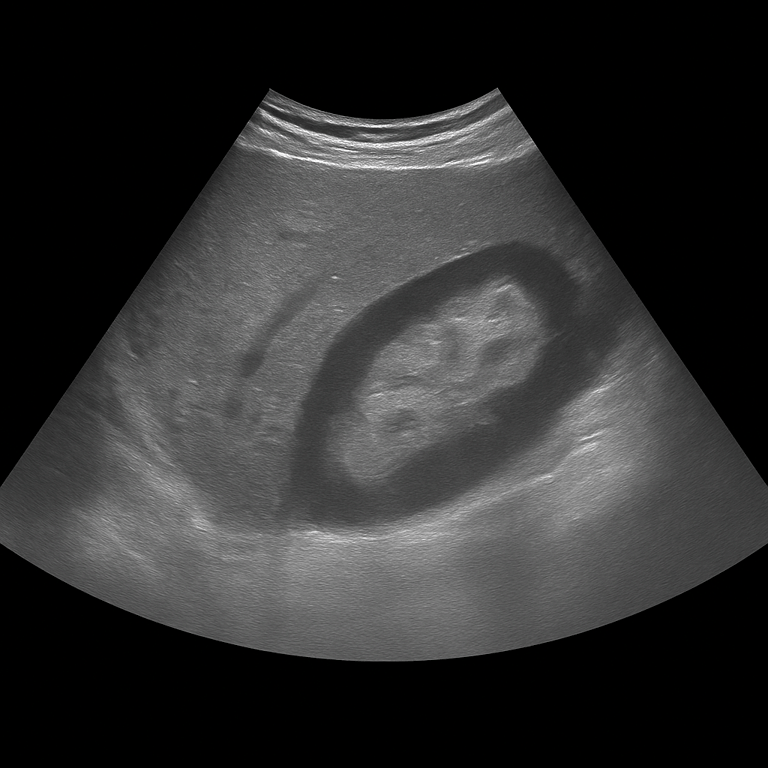
Ultrasound Kidneys

2 195 kr

Ultrasound Kidneys

Ultrasound

Information

Medical comment included

With us, you will always receive a doctor’s opinion from a licensed physician when you order a medical check-up that includes a medical opinion. The doctor’s opinion includes an overall assessment of your results from laboratory analysis. The opinion is individual and may vary depending on the specific tests your medical check-up includes.

What can I expect in the medical report?

The medical opinion will summarize the results of your test results to give you an assessment of your health including any abnormalities outside the reference ranges. In case of abnormalities or need, your doctor may also contact you for a free conversation to explain and talk about your results. Remember that a health check always includes specific test results based on your health and your personal circumstances. Values outside the reference range should therefore always be discussed with a doctor before any decisions regarding possible treatment are made.

What does the doctor look at during a health check?

When assessing a blood test or health check, your doctor will look at several different parameters to evaluate your health and identify any abnormalities. Below are some common aspects your doctor may examine:

Blood counts: Your doctor will check red, white and platelet counts to identify any signs of anaemia, infection or bleeding.

Nutrients and biochemical markers: Includes, for example, analysis and monitoring of blood sugar (glucose) levels, electrolyte levels (e.g. sodium, potassium), liver function tests (e.g. liver enzymes), kidney function tests (e.g. creatinine, urea) and lipid profile (e.g. cholesterol, triglycerides). The results of the tests give your doctor a better idea of your organ function, blood sugar level, cholesterol conditions and other important health aspects.

Inflammatory markers: Your doctor may measure health markers such as C-reactive protein (CRP) or red blood cell decrease rate (SR) to evaluate inflammatory conditions or confirm an active infection.

Hormone levels: Your doctor may monitor your hormone levels to assess hormonal imbalances or diseases, such as thyroid hormones (TSH, T3, T4), sex hormones or other specific hormones such as testosterone levels.

Specific tests: Depending on your goal of your health check or medical history, your doctor may look into specific tests to investigate conditions or diseases, such as diabetes, vitamin deficiency or autoimmune diseases.

In conclusion, the doctor weighs all test results based on the health check to assess your overall health, detect any abnormalities and identify possible underlying medical conditions.

What happens if I have abnormal test results?

If your blood count is abnormal, this will be addressed in your personal medical opinion. Depending on the nature and extent of the abnormality, your doctor may also contact you directly through the test result service for further guidance. Various measures and advice will be provided based on the specific abnormalities observed along with your medical history.

2 195 kr
  • Ultrasound kidneys show stones, cysts, fluid accumulation and changes in the kidney tissue.
  • Used for pain, blood in the urine, swelling or elevated kidney values.
  • Quick, painless and radiation-free examination of the kidneys and urinary tract.
  • Written report from radiologist and doctor included.
Read more

Add-ons

Doctors statement

Doctors statement

Digital written medical statement

295 kr

Lågt pris
Lowest price on the market
Ingen strålning
Radiation-free method
clock
Referral within 1 business day

An ultrasound of the kidneys is used to assess the kidneys’ size, shape, tissue structure, and blood flow. The examination provides detailed real-time images that can reveal changes affecting kidney function or urinary drainage. It can be used to investigate conditions such as cysts, fluid accumulation, infections, or suspected tumors.

Ultrasound of the kidneys - for pain, urinary tract problems or altered blood tests

A kidney ultrasound is recommended for symptoms such as recurrent urinary tract infections, other urinary tract problems, or swelling in the body. The examination is also commonly performed when blood tests show abnormal kidney function markers (for example, elevated creatinine or cystatin C levels) to evaluate the appearance and drainage of the kidneys.

Unlike MRI and CT scans, which are often used for more advanced imaging or when tumors are suspected, ultrasound is the first-line method for assessing kidney structure and function. It can be performed without contrast agents and provides real-time visualization of the kidneys, making it possible to detect cysts or fluid accumulation without exposure to ionizing radiation.

Common symptoms and clinical indications

  • Recurrent urinary tract infections.

  • Elevated kidney function markers in blood tests.

  • Swelling of the legs or around the eyes (signs of fluid retention).

  • Follow-up of previous findings in the kidneys or urinary tract.

Conditions that can be detected with a kidney ultrasound

  • Fluid accumulation in the kidney (hydronephrosis) caused by urinary tract obstruction.

  • Kidney cysts or multiple cystic formations.

  • Changes in the kidney parenchyma associated with chronic kidney disease.

  • Kidney infection (pyelonephritis) causing swelling of the kidney tissue.

  • A tumor or suspicious mass in the kidney that may require further evaluation with MRI or CT.

Can kidney stones be seen on ultrasound?

In some cases, kidney stones located in the renal pelvis or the upper part of the ureter can be visualized on ultrasound. Kidney stone attacks occur when a stone becomes lodged in the ureter and blocks the flow of urine from the kidney. This creates increased pressure within the kidney and causes severe pain, typically felt in the flank and sometimes radiating toward the abdomen or groin.

If kidney stones are suspected, computed tomography (CT) is the radiological first-line imaging method, and ultrasound is rarely used as the primary diagnostic tool. If you suspect that you are experiencing an ongoing kidney stone attack, this examination is not recommended. Instead, you should seek immediate medical attention at your nearest emergency department.

How an ultrasound of the kidneys is performed

The examination is performed while you lie on your back or side. A gel is applied to the skin and the doctor moves the ultrasound probe over the area where the kidneys are located. Both kidneys are assessed in longitudinal and cross-sectional views, and if necessary, the bladder is also examined to assess any impact on urine flow. The examination is painless and usually takes 15–20 minutes. You do not normally need to fast or prepare, but sometimes the doctor may ask you to drink water before the examination so that the bladder is slightly full.

Order an ultrasound examination of the kidneys - get a report and recommendation from a doctor

The images are reviewed by a specialist in radiology who draws up a written medical report. The answer is delivered digitally within a few working days and can be shared with your treating doctor for further investigation or treatment. If necessary, the findings can be followed up with MRI or CT for further mapping.

The abdomen is the body's internal hub, where several of our most important organs are gathered in a protected but flexible space. These organs include digestive organs such as the stomach, small intestine, large intestine, liver, gallbladder and pancreas. These organs are responsible for the breakdown and absorption of nutrients, as well as detoxification and metabolism.

The kidneys and ureters are also located in the abdomen, which are responsible for purifying the blood and regulating both fluid and salt balance. The spleen is part of the immune system and breaks down old blood cells. All of these organs are surrounded by a protective peritoneum and are stored in different layers of muscle, fat and connective tissue that make up the abdominal wall. The abdomen is a very rich area of ​​both blood vessels and nerves, which makes it sensitive to both illness and injury.

KID
Kidney
The body has two kidneys, which are bean-shaped organs that filter the blood, produce urine, and play a central role in the body's fluid balance and blood pressure.
Read more

After your order has been completed, we will send a referral for your ultrasound examination. You will receive a phone call from the referring physician at our clinic, who will go through your medical history and current symptoms. After that, your referral will be forwarded to the radiology clinic.

Before an ultrasound examination of the abdomen and other organs, it is important to follow the preparation instructions in the appointment letter you received from the radiology department. For examinations of organs in the upper part of the abdomen (such as the liver, gallbladder, pancreas, and spleen), you will usually need to fast for about 6 hours before the examination.

For other types of ultrasound, such as examinations of the carotid arteries, thyroid gland, or soft tissues, no specific preparation is usually required.

Always bring valid identification and please arrive in good time.

After your ultrasound examination has been performed, the imaging material is reviewed by a radiology specialist. The radiologist assesses the examination based on the question stated in your referral and writes a medical response to the doctor who ordered the examination.

Our referring physician will then review the report and return to you with a written medical assessment and clear guidance on what the results mean for you.

If the ultrasound shows signs of abnormal findings, we will ensure that you receive a referral to an appropriate healthcare provider, if necessary, or receive advice on how to follow up on the examination. This is always included in the price.

Find the nearest test location

How does it work?

Order an ultrasound scan – 4 easy steps

Step 1

Order an ultrasound examination

Select the ultrasound examination you wish to perform and add to cart. Complete your order and select payment options. We always apply open purchase on ultrasound for at least 30 days.

Step 2

Activate the referral

After payment, you will receive an email with instructions. Log in to fill in your details and activate the referral. A doctor will contact you to confirm your booking and discuss your wishes.

Step 3

Perform the ultrasound examination

You will be called via Kivra or mail within 7–10 working days, visit the clinic you have been called to at the appointed time. Contact the clinic directly for possible rescheduling if the time does not suit you. Read more

Step 4

Results and statement

You will receive a statement on your ultrasound images within 5-7 working days. However, in some cases it may take a few extra days before the full results are ready and reviewed by a specialist. Read more

Your test answers in zample™

– A smarter tool for understanding your health

With us you are always safe with our satisfied customer guarantee!

With us you are always safe with our satisfied customer guarantee!

We want to help people improve their health. That's why it's important that you feel safe with us. As a healthcare provider, safety is our top priority and we always strive to deliver the highest quality in our services. If for any reason you are not completely satisfied with your experience with us - do not hesitate to contact us. We listen and will do what we can to make you feel safe and satisfied. Our satisfied customer guarantee is an expression of our commitment to you and your health - where we want to take our responsibility when you use our services to access your health data and improve your health.