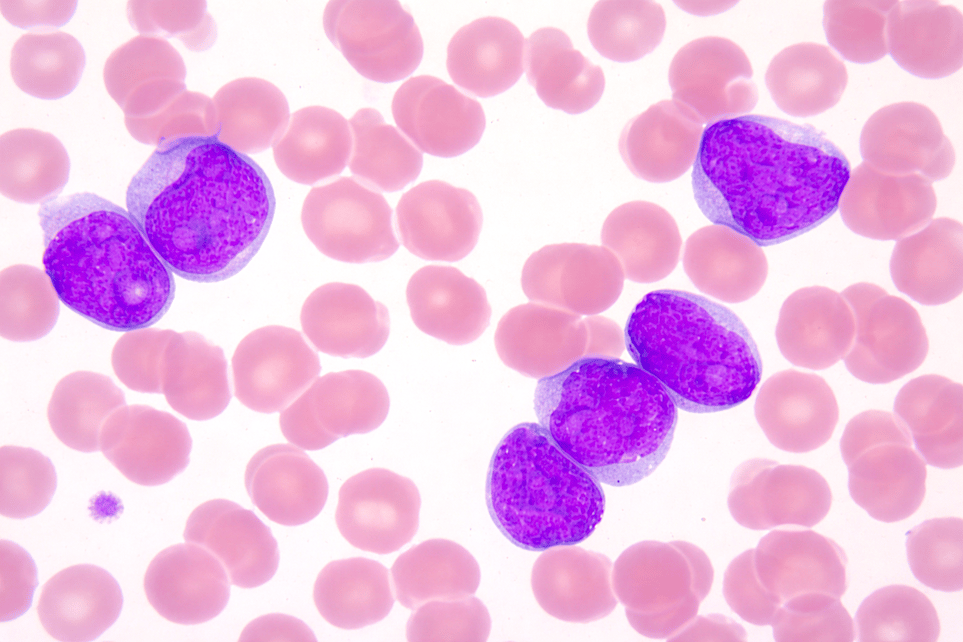
What are leukocytes?
Leukocytes, also known as white blood cells, are an important part of the immune system. They help protect the body against infections and diseases by attacking and destroying harmful substances such as bacteria and viruses.
There are several different types of leukocytes, including neutrophils, eosinophils, basophils, monocytes, and lymphocytes. Each type of leukocyte has a specific role in the immune system.
Neutrophils are the most common type of leukocyte and are important in fighting bacterial infections. Eosinophils are involved in fighting parasitic infections and allergic reactions. Basophils are involved in the immune response to inflammation. Monocytes become macrophages, which are cells that can take in and destroy harmful substances. Lymphocytes are involved in the immune response to viruses and can also help identify and destroy cancer cells.
Leukocytes are produced in the bone marrow and circulate in the blood. They can also be found in other parts of the body, such as the lymphatic system and in tissues throughout the body. The number of leukocytes in the blood can be measured with a complete blood count (CBC) test. Abnormalities in the number or function of leukocytes can be a sign of a medical condition, such as an infection or autoimmune disease.
Order a leukocyte blood test
If you want to check your blood leukocyte count, you can order our leukocyte blood test. The test measures the number of white blood cells and can provide information about the immune system, as well as assist in the assessment of conditions such as infection and inflammation.
Why analyze leukocytes?
Measuring the number of leukocytes, or white blood cells, in your blood can provide important information about your health and well-being. Leukocytes are an important part of the immune system and help protect the body against infections and diseases.
Abnormalities in the number or function of leukocytes can be a sign of a medical condition, such as an infection, inflammation, or autoimmune disease.
Measuring white blood cells is usually done as part of a complete blood count (CBC), which is a routine blood test used to assess general health.
What can an elevated value of leukocytes mean?
An elevated value of leukocytes means that there is an increased number of white blood cells in the blood. This can be caused by a variety of factors, including infection, inflammation, and certain medical conditions.
If a person has an elevated white blood cell count, it is important for a healthcare provider to determine the underlying cause. Additional tests may be needed to determine the cause of the leukocytosis and to determine appropriate treatment.
It is important to note that leukocytosis can be caused by both benign and serious conditions, so it is important to talk to a healthcare provider for a proper evaluation and diagnosis.
What can a low value of leukocytes mean?
A low value of leukocytes, also known as leukopenia, means that there is a reduced number of white blood cells in the blood. This can be caused by a variety of factors, including certain medications, radiation therapy, and bone marrow disorders.
Leukopenia can weaken the body's ability to fight infections and can make a person more susceptible to illness. If you have a low white blood cell count, it is important to determine the underlying cause. Additional tests may be needed to determine the cause of leukopenia and to determine appropriate treatment. It is important to note that leukopenia can be caused by both benign and serious conditions, so it is important to talk to a healthcare provider for a proper evaluation and diagnosis.
What is the reference value for B-LPK, leukocytes?
The reference value for B-LPK in a venous blood test may vary depending on the laboratory and the specific method used to analyze the test. However, in general, the reference range for blood leukocytes for adult men and women is between 3.5 (lower value) to 8.8 (upper value) measurements in the unit ×10^9/L. Note that reference values may differ depending on age, gender and individual factors.