Skip to content

Fallopian Tubes

The fallopian tubes are two long tubes that connect the ovaries to the uterus. This is where fertilization of the egg often occurs before it is transported to the uterus, and the health of the fallopian tubes therefore plays a central role in a woman’s ability to conceive naturally.

Quick version

What do the fallopian tubes do?

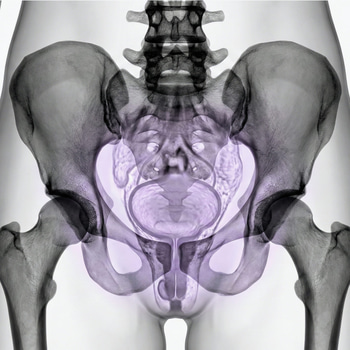
The fallopian tubes, also called tuba uterinae, are long tubes located on each side of the uterus in the female pelvis. The tubes are about 10–12 cm long, and their function is crucial for natural fertility. Their main task is to capture the eggs released from the ovary, enable fertilization, and finally transport the fertilized egg to the uterus .

The four parts of the fallopian tube and their functions

The fallopian tube can be divided into four parts that work together:

  • Infundibulum – the outermost part of the fallopian tube, closest to the ovary. It has small, finger-like projections called fimbriae. These projections catch the egg when it is released from the ovary during ovulation.
  • Ampulla – the widest part, located in the middle of the tube. This is usually where the sperm meets the egg and fertilization occurs. The ampulla has a folded wall, and the inside is covered with cilia that help transport the egg further along.
  • Isthmus – located where the tube narrows again. This part is more muscular than the others and serves as a transport section. With its rhythmic contractions toward the uterus, it helps move the egg forward.
  • Pars uterina – the innermost part of the fallopian tube, which opens into the upper part of the uterus. Here, the egg travels down into the uterine cavity, where it can implant if fertilization has occurred.

What causes pain in the fallopian tubes?

Pain in the fallopian tubes can be caused by infection, inflammation, or blockage. Common conditions include salpingitis (inflammation of the fallopian tubes), hydrosalpinx (fluid-filled tubes), and ectopic pregnancy — when a fertilized egg is not transported to the uterus but instead becomes lodged in the fallopian tube.

Examination and diagnosis

The fallopian tubes can be examined using ultrasound, X-ray (hysterosalpingography), or laparoscopy. During a fertility evaluation, it is common to check whether the tubes are open and functioning normally, as blockages can prevent pregnancy. If ultrasound and gynecological examination cannot explain chronic or recurring pelvic pain, a magnetic resonance imaging (MRI) can provide a more detailed view of the fallopian tubes and surrounding tissue.

Relevant symptoms

  • Pain in the lower abdomen
  • Infection with fever
  • Irregular bleeding
  • Difficulty getting pregnant
  • Nausea

Related conditions and diagnoses

  • Salpingitis
  • Hydrosalpinx
  • Ectopic pregnancy
  • Endometriosis
  • Infertility

Tests related to Fallopian Tubes


MRI Pelvis

MRI Pelvis

MRI scan
Information

Medical comment included

With us, you will always receive a doctor’s opinion from a licensed physician when you order a medical check-up that includes a medical opinion. The doctor’s opinion includes an overall assessment of your results from laboratory analysis. The opinion is individual and may vary depending on the specific tests your medical check-up includes.

What can I expect in the medical report?

The medical opinion will summarize the results of your test results to give you an assessment of your health including any abnormalities outside the reference ranges. In case of abnormalities or need, your doctor may also contact you for a free conversation to explain and talk about your results. Remember that a health check always includes specific test results based on your health and your personal circumstances. Values outside the reference range should therefore always be discussed with a doctor before any decisions regarding possible treatment are made.

What does the doctor look at during a health check?

When assessing a blood test or health check, your doctor will look at several different parameters to evaluate your health and identify any abnormalities. Below are some common aspects your doctor may examine:

Blood counts: Your doctor will check red, white and platelet counts to identify any signs of anaemia, infection or bleeding.

Nutrients and biochemical markers: Includes, for example, analysis and monitoring of blood sugar (glucose) levels, electrolyte levels (e.g. sodium, potassium), liver function tests (e.g. liver enzymes), kidney function tests (e.g. creatinine, urea) and lipid profile (e.g. cholesterol, triglycerides). The results of the tests give your doctor a better idea of your organ function, blood sugar level, cholesterol conditions and other important health aspects.

Inflammatory markers: Your doctor may measure health markers such as C-reactive protein (CRP) or red blood cell decrease rate (SR) to evaluate inflammatory conditions or confirm an active infection.

Hormone levels: Your doctor may monitor your hormone levels to assess hormonal imbalances or diseases, such as thyroid hormones (TSH, T3, T4), sex hormones or other specific hormones such as testosterone levels.

Specific tests: Depending on your goal of your health check or medical history, your doctor may look into specific tests to investigate conditions or diseases, such as diabetes, vitamin deficiency or autoimmune diseases.

In conclusion, the doctor weighs all test results based on the health check to assess your overall health, detect any abnormalities and identify possible underlying medical conditions.

What happens if I have abnormal test results?

If your blood count is abnormal, this will be addressed in your personal medical opinion. Depending on the nature and extent of the abnormality, your doctor may also contact you directly through the test result service for further guidance. Various measures and advice will be provided based on the specific abnormalities observed along with your medical history.

Call included

Call included, one of our doctors will contact you.
  • Magnetic camera examination of the uterus, ovaries and fallopian tubes.
  • For pain in the lower abdomen, endometriosis, cysts or fertility problems.
  • High-resolution images of gynecological organs – completely without radiation.
  • The examination is painless and includes a referral and written opinion from a specialist.

6 495 kr

Cart

The basket is empty.

Hos oss får du tillgång till Sveriges bredaste utbud av blodprov, hälsokontroller och MR – med läkare som alltid granskar dina provsvar.

Select tests


Sampling fee
Total
Sampling fee?

The sample collection fee is a fixed cost that refers to the visit to the clinic where you submit your sample. The fee is not affected by how many tests you have ordered, but varies depending on the order value:

Free sampling fee

For purchases over 1 000 SEK, the sampling fee is included.