
Quick version
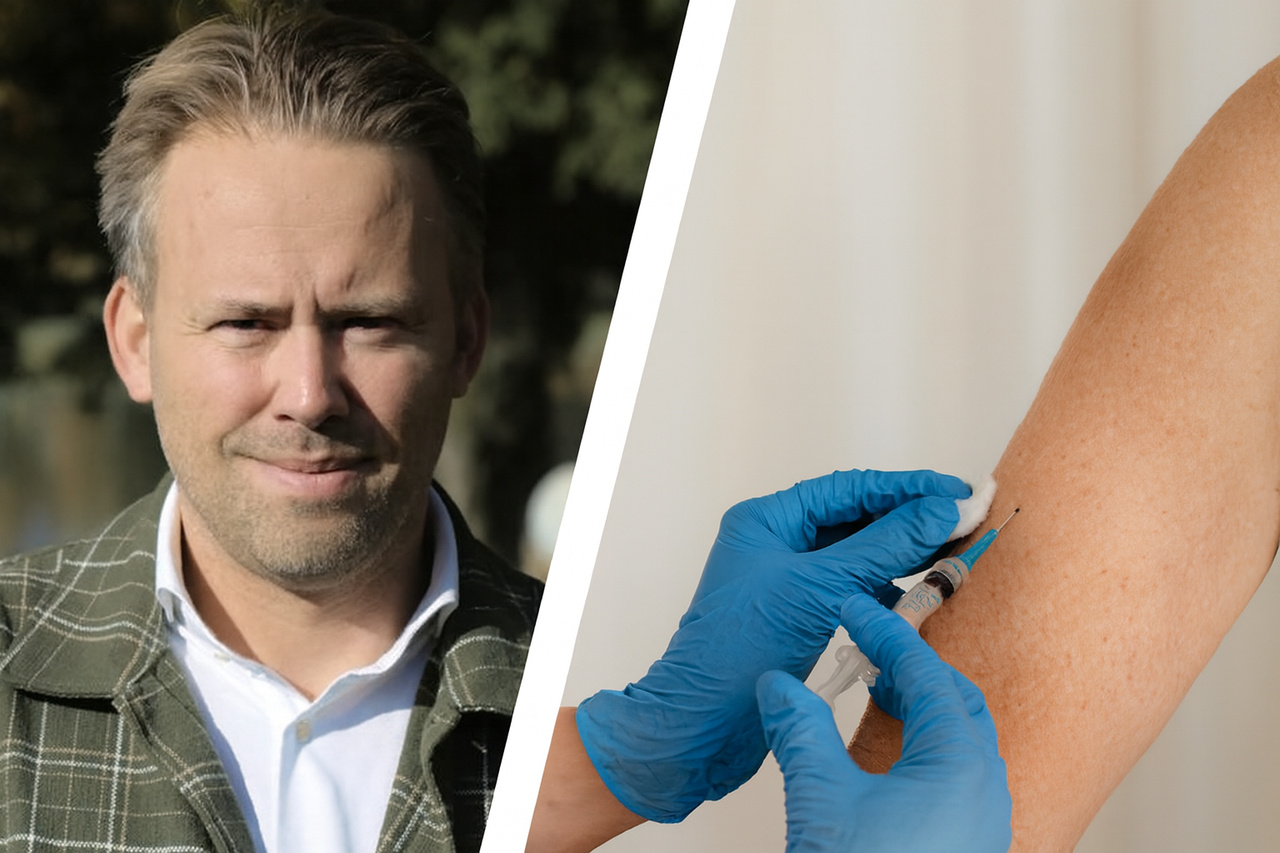
Over the past decade, several large studies have shown that people who have been vaccinated against shingles are less likely to develop dementia than unvaccinated individuals. The figures indicate that those who received an older shingles vaccine have about a 20 percent lower risk of dementia during the first seven years after vaccination. Research on newer vaccines shows a similar or slightly greater reduction in risk.
These findings are still based on observed associations rather than definitive proof, but the results are consistent enough that researchers view the shingles vaccine as a potential piece of the puzzle in preventing dementia in the long term.
What is the link between shingles and dementia?
The herpes zoster virus remains latent after chickenpox
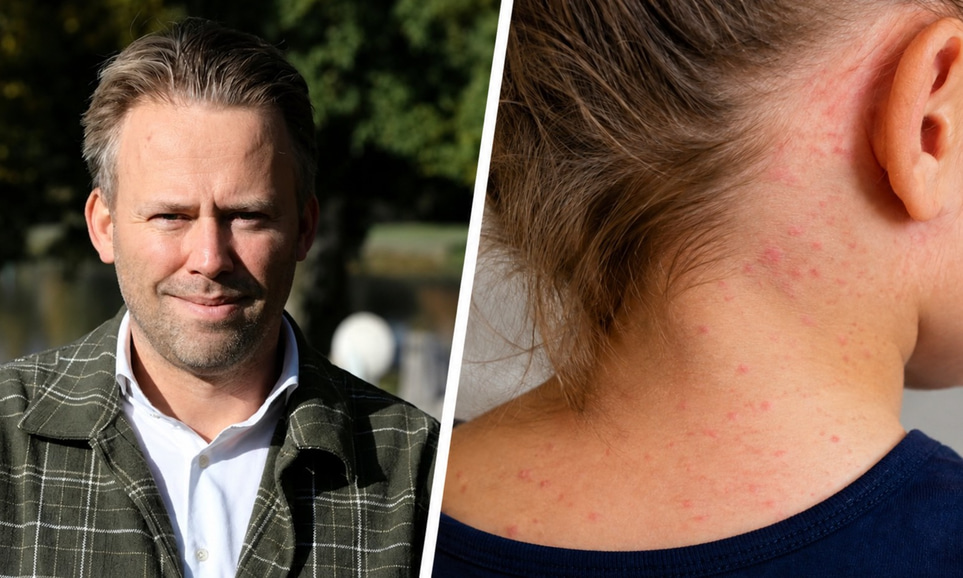
Shingles is caused by the varicella zoster virus, the same virus that causes chickenpox. After a person has had chickenpox, the virus remains dormant in nerve cells near the spinal cord and brain. The virus can later reactivate and cause shingles, often when the immune system is weakened.
Believed to cause inflammation in the nervous system
Long-term, low-grade inflammation in the brain is often observed in patients with dementia. Many viral infections, including herpes viruses, are thought to exacerbate inflammation. A shingles virus that is reactivated multiple times may worsen inflammation in the nervous system.
Because the shingles virus can lead to inflammation in the nervous system, it is believed to contribute to an increased risk of dementia in the long term. Shingles vaccination reduces the risk of both shingles and silent reactivations of the virus, and in this way may indirectly reduce inflammation in the brain.
What does research show about shingles vaccination and dementia risk?
Several large studies have been conducted
In 2013, a vaccination program was introduced in Wales in which a strict age cutoff determined who was eligible for free vaccination. This gave researchers the opportunity to compare similar groups. More than 280,000 people were followed for approximately seven years, and the results showed that those who were offered the shingles vaccine had about a 20 percent lower risk of developing dementia. A similar study conducted in Australia also showed approximately a 20 percent lower risk of dementia after vaccination.
More recent studies on the newer recombinant shingles vaccine (for example, Shingrix) also show a reduced risk of dementia. In a large study, vaccinated individuals had, on average, a longer time without a dementia diagnosis compared with comparable unvaccinated individuals. Other analyses indicate that the vaccine also appears to reduce the risk of cardiovascular disease in people over the age of 50.
How large is the risk reduction?
The results regarding shingles vaccination are consistent, but vary somewhat between studies.
- Approximately 15–30 percent lower risk of receiving a dementia diagnosis during the first 5–7 years after vaccination
- The effect is seen in both men and women
- The protection appears to be greatest in the first few years and may decline over time
Can shingles vaccination prevent dementia?
Strong association – but no definitive proof
There are clear associations, but large randomized studies are still lacking in this area. Therefore, researchers say that shingles vaccination “may” help prevent dementia, but that this has not yet been conclusively proven.
Why the vaccine may protect the brain
- Lower risk of viral reactivation: fewer reactivations of herpes zoster in the nervous system
- Trained immune system: some vaccines stimulate the immune system and may inhibit low-grade inflammation
- Fewer complications: even if you do become ill, the vaccine reduces the risk of severe shingles, pain, and the need for hospitalization, which may benefit brain health.
Future research
Several questions remain unanswered. For example, whether the protection applies to all forms of dementia, whether booster doses are needed, whether genetic factors influence the effect, and whether the vaccine can slow already established dementia. To be able to say with certainty whether the vaccine actually reduces the risk of dementia, randomized studies, longer follow-up, and direct comparisons between different vaccine types are needed.
The doctor answers and explains
Erik Lind is a specialist physician in geriatrics with many years of experience working with older patients, particularly in areas such as memory assessments, brain health, and preventive care. Here he comments on the research and provides his expert assessment of what the results mean in practice for older adults and other risk groups.
How strong do you think the evidence is that shingles vaccination reduces the risk of dementia?
– Much suggests that shingles vaccination can reduce the risk of developing dementia by approximately 20–30 percent in older populations, but this is mainly based on observational data. It has not yet been definitively proven that the vaccine causes this reduced risk, and more controlled research is ongoing. The underlying mechanisms behind this connection could revolutionize the way we prevent dementia.
Which age groups do you think have the most to gain from vaccination, if one also considers a possible effect on dementia risk?
– The relative risk reduction is greater the older the patient is. Women also generally receive better protection through vaccination.
What would you like to see in future studies in order to recommend vaccination also for the purpose of preventing dementia?
– The studies have been conducted in older populations (primarily 70+). Since dementia diseases usually develop at older ages, a study in which younger people are vaccinated would take a very long time to carry out, but it would provide a clearer picture of the long-term effect of the vaccine. A study examining how the vaccine affects and potentially reduces dementia with earlier onset would also be interesting.
How should an older person reason about vaccination?
– Get vaccinated!
Which other measures are equally important or more important than vaccination for preventing dementia?
– It is difficult to generalize, but lifestyle factors are by far the largest individual factors that one can influence oneself to reduce risk. In no particular order, I would encourage avoiding excessive/chronic stress, prioritizing sleep and recovery, maintaining an active social life, and keeping the brain active. It is also important to exercise, avoid overweight and processed foods, drink alcohol in moderation, and avoid tobacco in all its forms.
Having well-controlled chronic diseases, such as hypertension, hyperlipidemia, diabetes, inflammatory diseases, and other chronic conditions, is also essential for reducing the long-term risk of developing dementia. Even though there are hereditary factors, it is possible to reduce the risk of dementia and often delay disease onset by managing risk factors.
Having a regular physician and following up on one’s health on a regular basis is also an important part of dementia prevention.