Quick version
Polycystic ovarian syndrome (PMOS) is a complex hormonal disorder with significant health effects that is estimated to affect one in ten women.
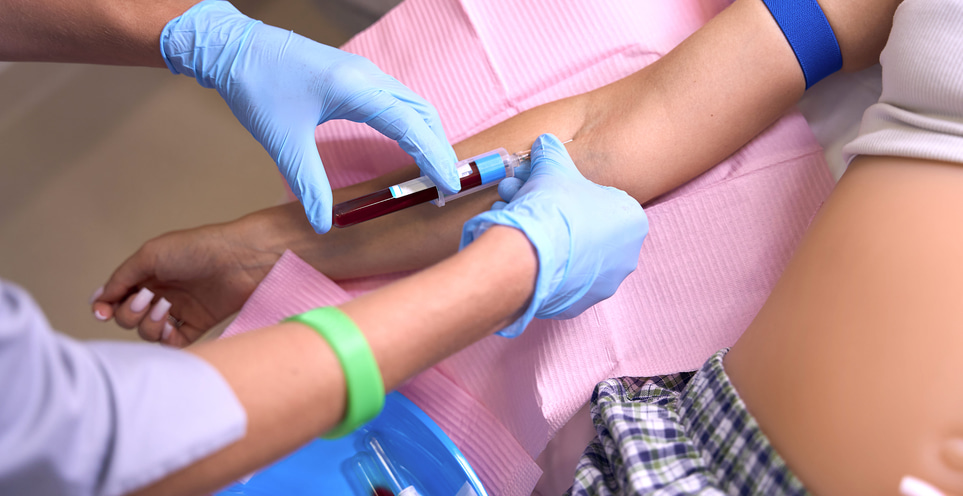
In Sweden, approximately 5 percent of women have been diagnosed with PMOS. Unreported figures suggest that a further 5–10 percent may be undiagnosed. PMOS is characterized by ovarian cysts and hormonal imbalance, which affects fertility, skin and hair growth. Symptoms include irregular menstruation, increased body hair, acne and weight gain. Diagnosis is made via hormonal blood tests and ultrasound.
What is PMOS?
Polycystic ovarian syndrome (PMOS, formerly known as PCOS) is a common hormonal imbalance that affects people with ovaries. The condition affects about one in ten women of childbearing age.
The name can be misleading – it is not about cysts in the usual sense, but about the ovaries having a typical appearance with many small, fluid-filled sacs (follicles) that have stopped developing. In PMOS, the level of the male sex hormone (testosterone) is often elevated in relation to the female hormones estrogen and progesterone. This can lead to irregular or absent ovulation, changes in the menstrual cycle, and an increased tendency for weight gain and metabolic syndrome.
Causes and risk factors
PMOS is a complex condition caused by a combination of genetic, hormonal, and environmental factors:
- Genetics: There is a strong hereditary component. If you have relatives with PMOS, your risk of developing it increases.
- Insulin resistance: Many people with PMOS have reduced sensitivity to insulin, which causes the body to produce more insulin. High insulin levels, in turn, trigger the ovaries to produce more testosterone.
- Hormonal imbalance: Elevated testosterone levels disrupt normal ovulation and the menstrual cycle.
- Overweight: Being overweight can worsen symptoms, especially insulin resistance, although PMOS also occurs in people of normal weight.
Symptoms
Symptoms vary from person to person and can change over time. Common symptoms include:
- Irregular or absent menstruation: Long intervals between bleeding or no menstruation due to infrequent or absent ovulation.
- Difficulty getting pregnant: Because ovulation is disrupted, it may take longer or require help to get pregnant.
- Increased hair growth (hirsutism): Increased and coarse hair growth on the face, chest, stomach or back.
- Acne and oily skin: Hormonal changes can cause persistent acne.
- Hair loss: Thinning or hair loss, especially on the crown of the head.
- Weight gain: Difficulty maintaining weight or unwanted weight gain, especially around the stomach.
- Dark skin patches (acanthosis nigricans): Dark or velvety skin areas in the neck, armpits or groin.
- Depression and mood swings: Hormonal imbalances and living with the symptoms can affect mental well-being.
Treatment and self-care
Treatment is individually tailored based on the symptoms you have and whether you wish to become pregnant.
- Lifestyle and weight management: Regular exercise and a balanced diet are the cornerstones of PMOS. It improves the body's insulin sensitivity, facilitates weight control and can restore regular ovulation.
- Hormonal treatment: Birth control pills or other hormonal contraceptives are often used to regulate the menstrual cycle, protect the endometrium, and reduce acne and unwanted hair growth.
- Insulin-regulating drugs: Prescription drugs that increase insulin sensitivity may be prescribed to help the body manage blood sugar and hormone levels.
- Fertility treatment: If you want to get pregnant, your doctor may prescribe medications that stimulate ovulation. If that is not enough, in vitro fertilization (IVF) may be an option.
- Hair removal: Unwanted hair growth can be managed with shaving, waxing, epilation or medical laser treatment.
- Regular health check-ups: Since PMS increases the risk of metabolic syndrome, type 2 diabetes and high blood pressure, it is important to have regular follow-ups with a doctor.