Quick version
Detox is often described as a way to cleanse the body, but the fact is that we already have our own systems for dealing with waste products in our bodies. Different forms of detox, such as fasting, juice cleanses and laxatives, can affect energy, stomach and fluid balance. For some, the problems can become apparent after just a few days.
Many people want to try detoxing when their body feels heavy, their stomach is upset or their energy is low after a period of irregular habits. It may sound logical to “cleanse” the body with juices, teas, fasting or dietary supplements. But when you look at what is actually happening in the body, the picture becomes more nuanced — and for some, detox can cause clear symptoms after just a few days.
What is meant by detox – and what does the body already do on its own?
Detox often refers to various regimens that claim to help the body get rid of “slags”, “toxins” or other substances. Detox often consists of juice regimens, herbal teas, laxatives, colon cleansing, fasting or combinations of several methods.
The fact is that our body already has an advanced detoxification system, the liver breaks down substances so that they can be made harmless or more easily leave the body, and the kidneys filter the blood and regulate fluid, salts and waste products. The intestines, skin and lungs also participate in the body's normal excretion.
Headaches, dizziness and fatigue - common symptoms during detox
It is common to experience headaches, irritation, chills, weakness or dizziness when starting a detox. This can be interpreted as the body "cleansing itself", but there are often simpler physiological explanations, such as:
- you suddenly eat much less energy than usual, which can cause your blood sugar to drop - especially if you are exercising at the same time, skipping meals or already eating irregularly.
- The low blood sugar can cause shakiness, palpitations, sweating, difficulty concentrating and dizziness.
- you get headaches, dry mouth, dark urine and you feel light-headed when you stand up due to the lack of fluid in the body.
These symptoms indicate more that the body has a deficiency than the "cleansing" of the detox.
Detox can disrupt fluid and salt balance
The body's fluid and electrolyte balance can be disrupted by a detox. Electrolytes, which consist of salts such as sodium, potassium and magnesium, are needed for our nerves, muscles, heart and fluid regulation to function normally.
A detox regimen that contains a lot of fluid but little nutrition, or a detox that is combined with laxatives, diuretic herbs or severe fasting, can cause the body to lose both fluid and salts. Symptoms such as fatigue, muscle cramps, nausea, palpitations and dizziness can then occur. In more severe cases, electrolyte imbalances can become acute and require medical attention.
Juice cures and detox teas are not always as innocent as they seem
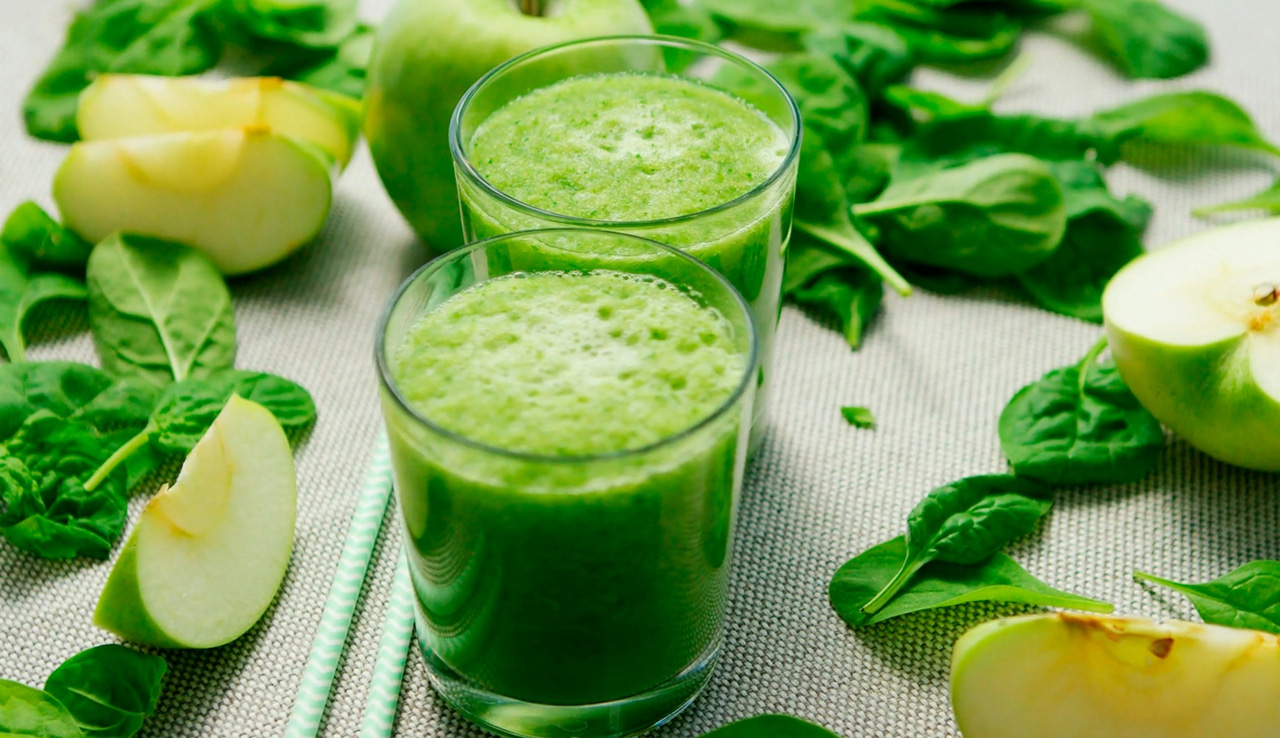
Juice cures are often communicated as gentle because they are based on fruits and vegetables, but juicing often comes with a lot of sugar but less satiety and protein. Another thing is that there is sometimes less fiber than a regular meal provides. This is something that can cause your energy to fluctuate quickly and make you hungry, tired or nauseous.
There is no research to support that juice detox cleanses the body. However, there are case reports where large amounts of oxalate-rich juices or “green cleanses” have been linked to acute kidney injury, especially in people with underlying risk factors.
Detox teas and dietary supplements pose another risk as these products may contain strong substances, stimulants or laxative ingredients. These affect heart rate, bowel function and fluid balance.
Then you should be extra careful with detox
During a short period of not eating enough, an adult and otherwise healthy person may experience discomfort, decreased energy and temporary weight loss. But for others, detox may be completely inappropriate.
You should be especially careful if you:
- have diabetes
- are taking blood sugar-lowering medication
- have kidney disease, heart disease or high blood pressure
- are pregnant or breastfeeding
- have or have had an eating disorder
- are taking diuretics, laxatives or other medications that affect salt balance
- are elderly
- have low body weight
In general, restrictive detox diets can reinforce an unhealthy relationship with food, and if you repeatedly compensate, it is better to try to review your sleep, meal patterns, alcohol habits and stress than to subject your body to another diet. This is important because dehydration, electrolyte imbalances, and malnutrition may require medical attention.
Try this instead of detox
The fact that the body feels "cleaner" after a detox is often due to the fact that during the detox you have cut down on everything from alcohol, ultra-processed foods, and large portions. This is an effect that you can achieve without starving yourself or disrupting your body's balance with a detox.
Instead of undergoing a detox, you can review your daily routines over a two-week period and make a few changes:
- Eat regular meals with protein, fiber, and enough energy
- Drink based on thirst and increase fluids during heat, exercise, or diarrhea
- Reduce alcohol and energy drinks
- Prioritize sleep and recovery
- Exercise daily, even if it's just walking.
If you often feel swollen, tired, cold, dizzy, or have heart palpitations, it's wise not to get caught up in your own explanations about "toxins." The same symptoms can also be seen with anemia, iron deficiency, thyroid disorders, or salt balance disorders. Instead of trying a detox or other treatment, it may be a good idea to test your values to gain insight into what is actually going on in your body.