Quick version
Nagging stomach pain is a common but diffuse symptom that can originate from everything from the stomach and intestines to the urinary tract and lower abdomen. Since the cause can be anything from harmless constipation or IBS to stomach ulcers, gallbladder problems or intestinal inflammation, the pattern and duration of the pain is more important than how strong it feels. Always seek medical attention if the pain is prolonged or combined with so-called alarm symptoms, such as unintentional weight loss, blood in the stool, fever or changes in bowel habits.
Does it feel like a dull, aching pain that lingers in the stomach rather than stabbing? Aching pain in the stomach is a common symptom and can come from the stomach, intestines, biliary tract, urinary tract or organs outside the stomach itself. Sometimes it is something temporary, such as gas or constipation. In other cases, a medical assessment is needed to distinguish harmless problems from conditions that should be investigated.
Why does aching pain in the stomach feel so difficult to interpret?
The stomach has many organs in a small area, and nerve signals from there are often diffuse. Therefore, the pain can feel like general pressure, discomfort or a dull ache rather than a clearly defined point. The same area can also cause symptoms from completely different causes.
Doctors therefore first try to pinpoint where the pain is located, how long it has been there and what is affecting it. A dull ache high up in the stomach after a meal leads the thought in one direction, while pain further down in the stomach together with changed bowel habits leads in another. If the pain moves, becomes stronger or wakes you up at night, this also becomes important in the assessment.
How the pain behaves over time is often more indicative than the pain intensity itself. Even mild but persistent pain may need to be investigated, especially if it is combined with weight loss, blood in the stool or fever.
Common causes of dull ache in the stomach
A very common explanation is IBS, irritable bowel syndrome. In this case, recurring abdominal pain is usually associated with diarrhea, constipation or alternating between the two, often together with bloating and gas. The symptoms tend to come and go and can be worsened by stress, irregular meals or certain foods.
Constipation is another common cause. The stomach often feels tense, sluggish and sore, sometimes mostly in the lower abdomen. Many describe that the pain only eases after a visit to the toilet or when the stomach starts moving again.
A dull ache in the upper part of the stomach can come from the stomach or duodenum. Functional dyspepsia, which involves recurring discomfort from the upper stomach without always finding a clear injury, can cause early satiety, burning, nausea or a feeling of pressure after eating. Stomach ulcers also often cause pain or discomfort in the upper stomach, sometimes together with nausea or black stools if it is bleeding.
Gallstones more often causes more obvious pain attacks, but can also start as a dull ache under the right rib cage or in the middle of the upper stomach, especially after fatty foods. The pain can radiate to the back or right shoulder blade and last for several hours. If gallbladder problems are combined with fever or jaundice, urgent medical attention is needed.
The kidneys and urinary tract can also cause abdominal pain. Kidney stones often cause stronger, more intense pain in the side or groin, but early on it can start as a diffuse pain in the lower abdomen or back. Urinary tract problems, burning when urinating or blood in the urine then make the cause more likely.
In some people, aching pain is due to inflammation in the intestine, for example Crohn's disease or ulcerative colitis. In these cases, other symptoms are often present at the same time, such as prolonged diarrhea, blood or mucus in the stool, weight loss, fatigue or fever. Celiac disease can also cause abdominal pain, bloating, diarrhea, iron deficiency and unexplained fatigue.
For women, pelvic pain can cause pain that is experienced as stomach pain. Menstrual cramps, endometriosis, ovarian cysts or infections in the lower abdomen can cause aching pain far down in the abdomen. Therefore, it is important to ask about the connection to the menstrual cycle, discharge or pain during intercourse.
When symptoms indicate that you should be investigated
Certain patterns indicate that nagging pain in the stomach should not just be waited out. This is especially true if the symptoms last for weeks, recur regularly or gradually become more pronounced. Pain that affects appetite, sleep, work or exercise also deserves a proper assessment.
You should seek medical attention for an evaluation if you have any of the following:
- unintentional weight loss
- blood in the stool, black stools or vomiting blood
- fever, nocturnal symptoms or pronounced malaise
- new onset persistent abdominal pain after middle age
- Iron deficiency or anemia without a clear explanation
- long-term diarrhea or constipation with a clear change from your usual habits
- persistent pain in the upper abdomen with vomiting or difficulty swallowing
- family history of inflammatory bowel disease, celiac disease or bowel cancer
There are also situations where you should seek emergency care. This includes, for example, sudden onset or very severe abdominal pain, hard and tender stomach, repeated vomiting, high fever, feeling faint, chest pain, pregnancy with abdominal pain or suspected appendicitis. Early appendicitis can start out diffusely and mildly, and later move towards the lower right part of the abdomen.
In primary care, so-called alarm symptoms are used to determine how quickly an investigation should be carried out. The combination of unexplained weight loss and abdominal pain, or abdominal pain together with anemia or blood in the stool, is particularly important because it can justify rapid further investigation.
How a medical investigation is done
The investigation almost always begins with a careful medical history. The doctor asks where the pain is located, whether it is related to meals or toilet visits, what the stool looks like, what medications you are taking and whether you have other symptoms such as nausea, heartburn, fever or fatigue. Painkillers such as ibuprofen and naproxen are important to mention because they can irritate the stomach lining and increase the risk of stomach ulcers.
This is followed by a physical examination and often blood tests. Common tests are Complete blood count to detect anemia or infection, CRP for inflammation, liver function tests, sometimes pancreatic tests and tests for celiac disease depending on the symptoms. Stool tests can be used to look for blood, intestinal inflammation or infection.
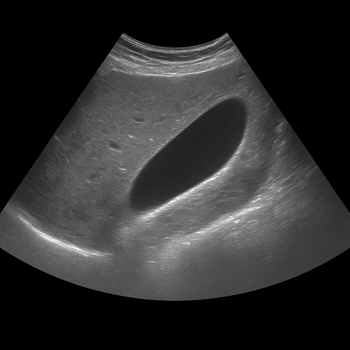
Sometimes imaging or camera examination is needed. Ultrasound is often used when gallstones or other problems from the upper right part of the stomach are suspected. Gastroscopy, where the esophagus, stomach and duodenum are looked down, may be relevant in the case of long-term problems from the upper stomach, suspected stomach ulcers or alarm symptoms. Colonoscopy is used when you need to examine the colon more closely, for example in the case of blood in the stool, prolonged diarrhea or suspicion of inflammatory bowel disease or bowel cancer.
For many patients, targeted sampling and follow-up in primary care is sufficient. However, if samples or symptoms show abnormalities, more systematic steps are taken. The important thing is not to do all the tests immediately, but to choose the right test based on the symptom picture.
What can you observe yourself?
Please write down when the pain comes, how long it lasts, where it is felt and whether it is affected by food, alcohol, stress, going to the toilet or your menstrual cycle. Also note if you have had a fever, nausea, vomiting or changes in bowel habits.
It is especially helpful to keep track of:
- whether the pain is in the upper, lower, right or left part of the stomach
- whether it worsens after meals or is relieved after going to the toilet
- whether the stool has become looser, harder, black or mixed with blood
- whether you have lost weight, lost your appetite or become unusually tired
- what medications or supplements you are taking
You do not need to diagnose yourself. But the clearer the pattern you can describe, the easier it will be to distinguish functional problems from conditions that require a faster investigation.
A dull ache in the stomach is often a symptom with several possible explanations, not a diagnosis in itself. That is why the right timing can be crucial: not to over-investigate transient problems, but also not to miss signals that point to inflammation, bleeding or other diseases that need to be caught early.