Quick version
The pancreas at a glance
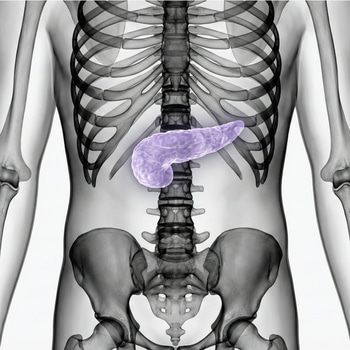
- The pancreas is located behind the stomach in the upper abdomen.
- It produces digestive enzymes as well as hormones such as insulin and glucagon, which help regulate blood sugar.
- Inflammation of the pancreas is called pancreatitis and can be acute or chronic.
- Common symptoms of pancreatitis include upper abdominal pain, nausea, vomiting, and sometimes weight loss.
- Blood tests such as pancreatic amylase, lipase, and glucose can provide information about pancreatic function.
- MRI, CT, and ultrasound may be used to detect inflammation, cysts, tumors, and other structural changes.
- Conditions that can affect the pancreas include pancreatitis, cysts, diabetes, and pancreatic cancer.
Where is the pancreas located?
The pancreas is situated in the upper part of the abdomen, behind the stomach. It extends horizontally across the spine and consists of two main parts—the exocrine part that produces enzymes for digestion and the endocrine part that produces hormones, including insulin and glucagon.
What does the pancreas do?
The pancreas performs several crucial functions. It produces enzymes that aid in breaking down carbohydrates, fats, and proteins in food. Its endocrine part produces insulin and glucagon, hormones that regulate blood sugar levels by influencing sugar metabolism in the body.
Inflammation of the pancreas
Inflammation of the pancreas, also known as pancreatitis, is a serious condition that can be triggered by various factors, including gallstones, alcohol consumption, or certain medical conditions. This inflammation can manifest in two main ways: as acute pancreatitis, a sudden and intense inflammation, or as chronic pancreatitis, a slowly developing form that can lead to lasting damage to the pancreas.
Symptoms of acute pancreatitis: Symptoms often include intense pain in the upper abdomen, nausea, fever, vomiting, and loss of appetite. This form of pancreatitis requires immediate medical attention and treatment to relieve pain and minimize complications.
Symptoms of Chronic Pancreatitis: Symptoms for chronic pancreatitis can be more prolonged and may include pain, digestive problems, and weight loss. Although the symptoms may not be as acute as in acute pancreatitis, they can be persistent and lead to serious complications over time.
How to test the pancreas with blood tests?
Blood tests can provide valuable information about the health of the pancreas. Specific tests include measuring pancreatic amylase and lipase, enzymes released during pancreatitis. Also, levels of blood sugar, such as glucose, and any hormone abnormalities can indicate issues with the pancreas.
Diseases related to the pancreas
Several diseases are directly linked to the pancreas. In addition to acute and chronic pancreatitis, pancreatic cancer, cysts, and diabetes can result from dysfunction or disease in this organ. Regular medical check-ups and health screenings can be crucial for early detection and treatment of any problems.
In conclusion, the pancreas plays a central role in digestion and blood sugar regulation. Understanding where the pancreas is located, its function, and related symptoms is crucial for maintaining good health. If there is suspicion of pancreatic issues, seeking medical advice and considering relevant tests for accurate diagnosis and treatment is important.